Efficient and hassle-free parking has become a significant challenge in urban areas. A vehicle camera-based parking spot detection system is an innovative solution leveraging computer vision technology to identify available parking spaces. This article explores how vehicle cameras enable parking spot detection, the benefits of this technology, its applications, and how it is shaping the future of parking management.
1. What is Vehicle Camera-Based Parking Spot Detection?
(For more details, please refer to the SAE guidelines on vehicle technology)
Vehicle camera-based parking spot detection utilizes cameras installed in vehicles to analyze parking spaces in real time. Powered by computer vision algorithms, these systems process video feeds to detect open parking spots, occupied spaces, and even illegal parking.
This method eliminates the need for additional infrastructure like ground sensors, making it cost-effective and easy to implement.
2. How Vehicle Camera Parking Spot Detection Works
The parking detection process involves the following steps:
2.1 Camera Installation
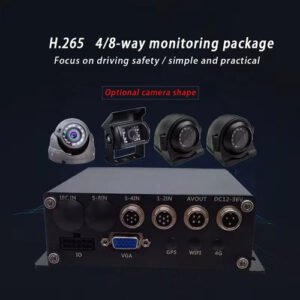
- Cameras are mounted on the vehicle, typically near the rearview mirror or on the sides.
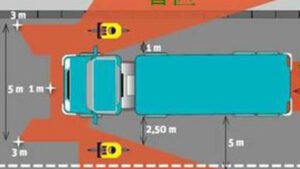
- These cameras capture a wide field of view, including parking lots or roadside parking spaces.
2.2 Video Feed Analysis
- The camera captures real-time footage of the surroundings.
- Advanced algorithms powered by artificial intelligence (AI) and machine learning (ML) process the video feed.
2.3 Detection Algorithms
- Object detection techniques identify vehicles, empty spaces, and boundaries.
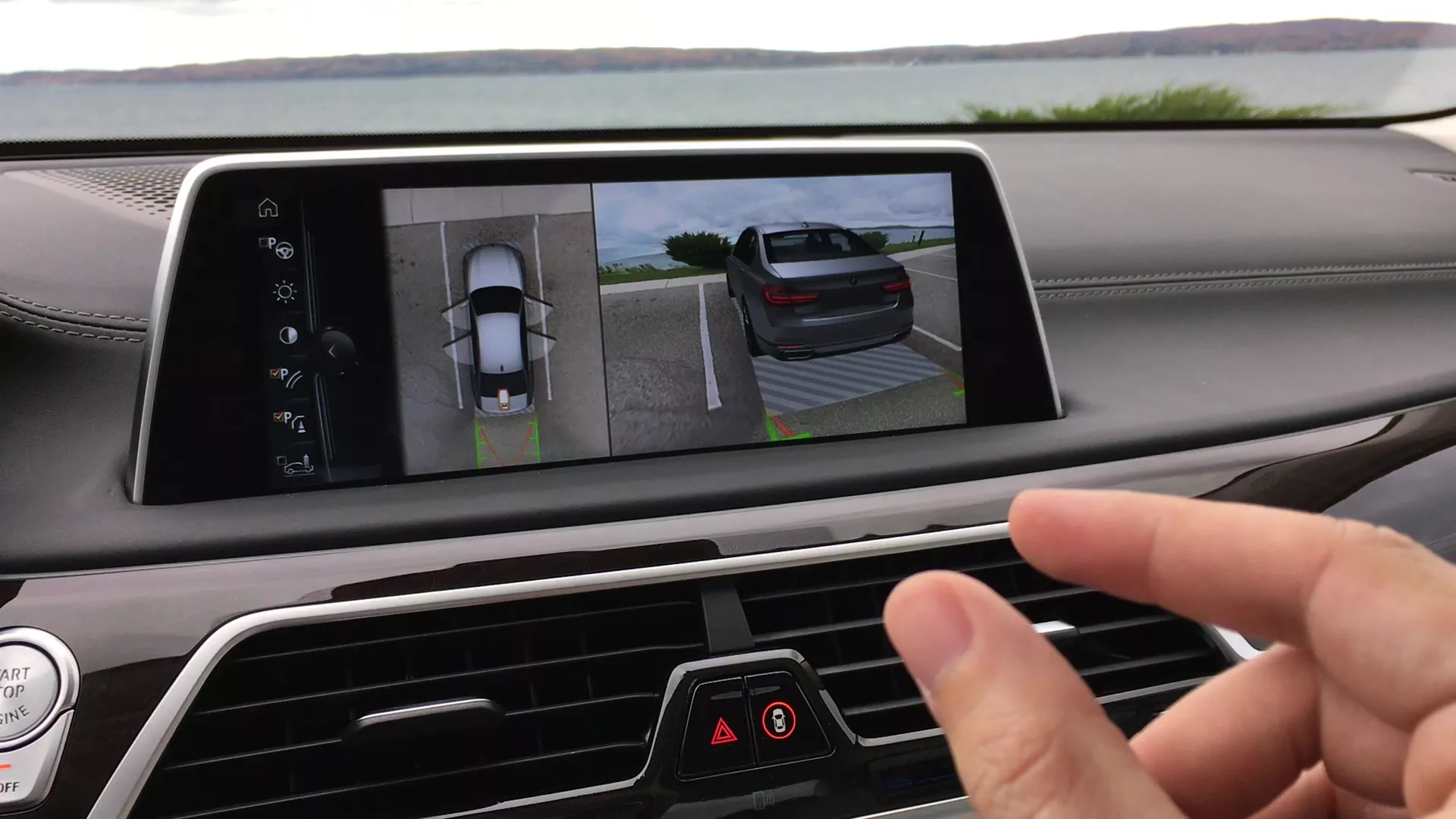
- Parking lines and vacant areas are highlighted for the driver in real time.
2.4 Driver Feedback
- The system provides visual or auditory alerts to guide the driver toward available parking spots.
2.5 Integration with Navigation
- Some systems integrate with navigation apps to guide drivers to the nearest available parking spaces.
3. Benefits of Vehicle Camera-Based Parking Spot Detection
Vehicle camera-based parking detection offers several advantages, making it an essential tool for modern drivers:
3.1 Enhanced Convenience
- Detects and displays available parking spots in real-time, reducing the time spent searching for parking.
3.2 Improved Efficiency
- Minimizes traffic congestion in crowded areas by quickly directing drivers to vacant spaces.
3.3 Cost-Effectiveness
- Eliminates the need for costly ground sensors or complex infrastructure in parking lots.
3.4 Reduced Environmental Impact
- Shorter search times lead to lower fuel consumption and reduced vehicle emissions.
3.5 Scalability
- Can be implemented in various settings, including public parking lots, residential complexes, and commercial spaces.
3.6 Enhanced Safety
- Reduces driver stress and distractions by streamlining the parking process.
4. Applications of Vehicle Camera-Based Parking Spot Detection
4.1 Urban Parking Management
- Helps city planners optimize parking space usage in high-traffic areas.
4.2 Smart Parking Systems
- Integrates with smart city infrastructure for centralized parking management and monitoring.
4.3 Autonomous Vehicles
- Serves as a key component in autonomous driving, enabling self-parking capabilities.
4.4 Commercial Parking Lots
- Enhances the user experience in shopping malls, airports, and office complexes by providing seamless parking assistance.
4.5 Residential Parking
- Assists residents in navigating crowded apartment parking lots to find available spaces quickly.
5. Key Features of Vehicle Camera Systems for Parking Spot Detection
5.1 High-Definition Video Capture
- Clear footage ensures precise detection of parking lines and vacant spaces.
5.2 Real-Time Processing
- AI-powered algorithms analyze video feeds instantaneously to provide immediate feedback.
5.3 Wide-Angle Coverage
- A broad field of view captures multiple parking spaces simultaneously for accurate detection.
5.4 Integration with Sensors
- Combines with ultrasonic sensors or LiDAR for enhanced accuracy in complex environments.
5.5 User-Friendly Interfaces
- Visual overlays and intuitive alerts make it easy for drivers to understand parking options.
5.6 Cloud Connectivity
- Some systems offer cloud-based monitoring, enabling parking lot operators to manage spaces remotely.
6. Challenges in Vehicle Camera-Based Parking Spot Detection
6.1 Lighting Conditions
- Low light or glare can affect the accuracy of camera-based detection systems.
6.2 Complex Environments
- Crowded or irregularly shaped parking lots may pose challenges for detection algorithms.
6.3 Weather Conditions
- Rain, fog, or snow can obstruct the camera’s view and impact detection performance.
6.4 Processing Power
- Real-time video analysis requires robust hardware to ensure smooth operation.
7. Future Trends in Vehicle Camera Parking Spot Detection
The field of vehicle camera-based parking detection is rapidly evolving. Here are some future trends to watch:
7.1 Artificial Intelligence Advancements
- AI algorithms are becoming more sophisticated, improving detection accuracy even in challenging environments.
7.2 Integration with Autonomous Vehicles
- Self-parking capabilities will become standard in autonomous vehicles, powered by advanced camera systems.
7.3 360-Degree Coverage
- Multi-camera setups will provide comprehensive views of parking areas, enabling more efficient detection.
7.4 Cloud and IoT Connectivity
- Real-time data sharing between vehicles and parking infrastructure will create fully integrated smart parking ecosystems.
7.5 Predictive Analytics
- AI will predict parking availability based on historical data, reducing search times even further.
8. Choosing the Right Vehicle Camera System for Parking Spot Detection
When selecting a vehicle camera system, consider the following factors:
8.1 Video Quality
- Look for cameras with at least 1080p resolution for clear and accurate footage.
8.2 Field of View
- Ensure the camera offers wide-angle coverage to capture a larger area.
8.3 AI Capabilities
- Advanced detection algorithms are essential for accurate parking spot identification.
8.4 Weather Resistance
- Opt for weatherproof cameras if you frequently park in outdoor lots.
8.5 Integration with Other Systems
- Choose a system that works seamlessly with your vehicle’s navigation or parking assistance features.
9. Conclusion
A vehicle camera system for parking spot detection is transforming the way drivers find and secure parking spaces. By leveraging cutting-edge computer vision technology, these systems reduce parking stress, enhance safety, and contribute to smarter urban planning.
As technology continues to evolve, vehicle cameras will play an even more significant role in creating efficient and eco-friendly parking solutions. Investing in this innovative technology not only saves time and resources but also prepares you for a smarter, more connected future on the road.