Fleet managers face mounting pressure to enhance safety, reduce liability, and optimize operations. Traditional vehicle monitoring systems often fall short—they’re complex to install, expensive to maintain, and frequently lack real-time capabilities. USB-powered vehicle CCTV cameras with real-time recording capabilities offer a compelling alternative.
The Evolution of Vehicle Surveillance
Vehicle surveillance has progressed dramatically from basic dashboard-mounted cameras to sophisticated multi-camera systems with cloud connectivity. USB-powered solutions represent the latest advancement in this evolution, addressing key pain points that have historically limited adoption.
[IMAGE: Timeline showing evolution of vehicle cameras from basic dash cams to modern USB-powered systems]
The shift toward USB power delivery brings significant advantages for fleet operations. These systems leverage the ubiquitous USB infrastructure already present in most modern vehicles, eliminating the need for specialized power connections while maintaining professional-grade surveillance capabilities.
Technical Specifications That Matter
When evaluating USB-powered vehicle CCTV systems, several key specifications determine their effectiveness for fleet applications:
Power Requirements
Most USB-powered cameras operate on the USB 2.0 standard (5V/0.5A) or USB 3.0 (5V/0.9A). Higher-end models may require USB-C connections capable of delivering up to 5V/3A. This power profile allows for:
- Continuous operation without draining vehicle batteries
- Sufficient power for HD video processing
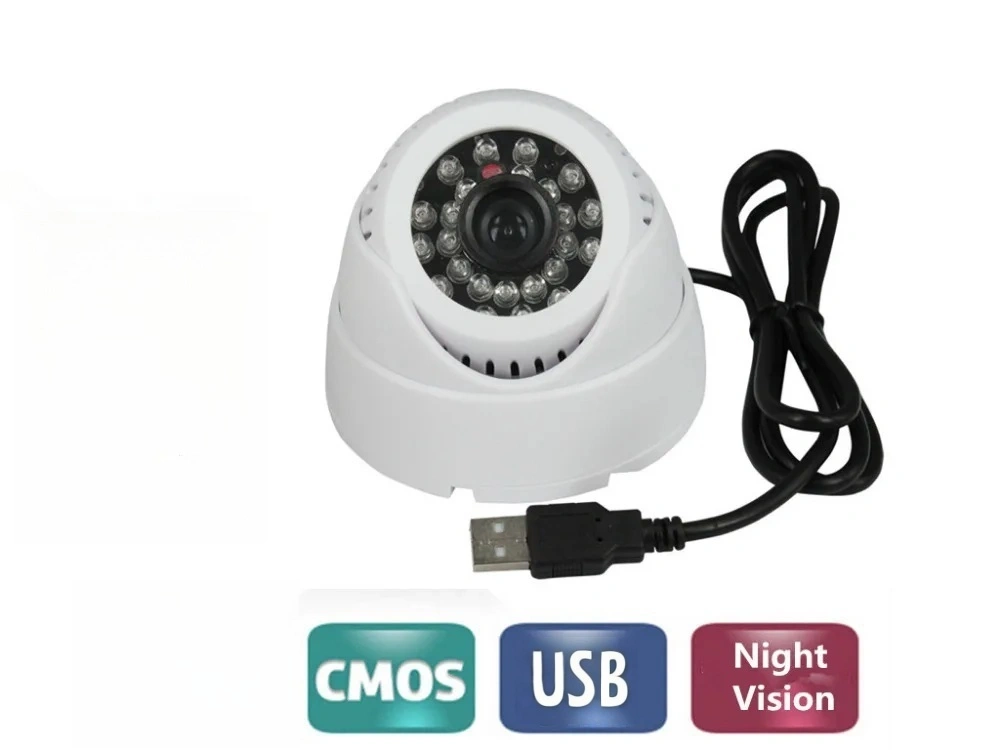
- Support for additional features like infrared night vision
Fleet managers should verify that their vehicles’ USB ports meet these power delivery requirements. Older vehicles may need USB power adapters that connect to 12V accessory outlets.
Video Quality and Storage
Resolution capabilities typically range from 720p to 4K, with 1080p (Full HD) representing the sweet spot for most fleet applications—balancing detail capture with reasonable storage requirements.
Storage options include:
- Local SD card storage (typically 32GB-256GB)
- Direct-to-cloud transmission via cellular connections
- Hybrid approaches with local buffering and selective cloud uploads
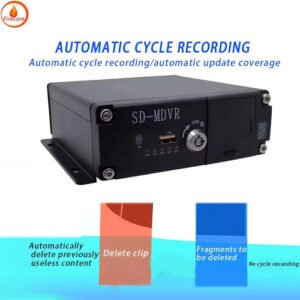
Real-time recording systems generally employ loop recording, automatically overwriting oldest footage when storage limits are reached. Critical events (triggered by G-sensors or manual markers) are protected from deletion.
Field of View and Camera Placement
USB-powered systems offer various camera configurations:
- Single forward-facing cameras (120°-170° field of view)
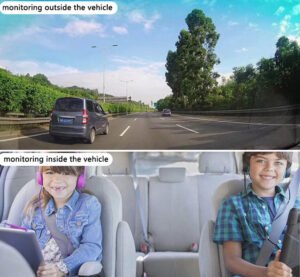
- Dual-camera setups (forward + cabin-facing)
- Multi-camera arrays (up to 4 cameras for 360° coverage)
The optimal configuration depends on specific fleet needs. Delivery services may prioritize forward and rear views, while passenger transport might emphasize interior monitoring.
[IMAGE: Diagram showing different camera placement options and their respective fields of view]
Installation Methods: Simplicity Meets Flexibility
One of the primary advantages of USB-powered systems is their straightforward installation. Three common approaches exist:
Direct USB Connection
The simplest method involves connecting the camera directly to an existing USB port in the vehicle. This approach:
- Requires no special tools or expertise
- Can be completed in minutes
- Allows for easy transfer between vehicles
The camera is typically mounted to the windshield using suction cups or adhesive mounts, with the cable routed discreetly along the headliner and A-pillar.
OBD-II Port Adapters
For vehicles lacking accessible USB ports, OBD-II to USB adapters provide a reliable alternative:
- Connects to the standardized OBD-II diagnostic port
- Provides consistent power even when the ignition is off
- Often includes voltage protection to prevent battery drain
This method maintains the plug-and-play simplicity while adding functionality like ignition status detection for automatic system activation.
Hardwired Installation
For permanent deployments, hardwiring offers the most professional solution:
- Connects directly to the vehicle’s electrical system
- Eliminates visible cables
- Can include battery protection circuits
- Supports parking mode monitoring
While requiring professional installation, this approach provides the cleanest aesthetic and most reliable performance for dedicated fleet vehicles.
Advantages Over Traditional Vehicle CCTV Systems
USB-powered solutions offer several distinct advantages compared to conventional vehicle surveillance systems:
Cost Efficiency
Traditional vehicle CCTV systems typically require:
- Specialized power adapters
- Professional installation (often 2-3 hours per vehicle)
- Proprietary storage media
USB-powered alternatives significantly reduce these expenses through:
- Standardized power delivery
- Self-installation options
- Use of common storage formats (SD cards, cloud storage)
For large fleets, these savings can amount to thousands of dollars in deployment costs alone.
Operational Flexibility
The plug-and-play nature of USB systems enables:
- Rapid deployment across fleet vehicles
- Easy transfer between vehicles as needed
- Simple replacement of damaged units
- Gradual rollout programs without major infrastructure changes
This flexibility is particularly valuable for mixed fleets or operations with seasonal vehicle requirements.
Real-Time Capabilities
Modern USB-powered systems offer real-time features previously available only in premium installations:
- Live video streaming to fleet management platforms
- Immediate incident notifications
- Real-time driver coaching
- GPS location tracking integrated with video feeds
These capabilities transform vehicle cameras from passive recording devices to active fleet management tools.
[IMAGE: Screenshot of real-time fleet management dashboard showing live camera feeds and vehicle locations]
Implementation Challenges and Solutions
Despite their advantages, USB-powered systems present certain challenges that fleet managers should address:
Power Stability
USB connections can be less stable than hardwired solutions. To mitigate this:
- Use high-quality, locking USB cables
- Consider USB ports with retention mechanisms
- Test compatibility with vehicle USB ports before fleet-wide deployment
Some systems include internal backup batteries that maintain recording during brief power interruptions.
Environmental Considerations
Vehicle environments present unique challenges:
- Temperature extremes (particularly dashboard heat in summer)
- Constant vibration
- Varying lighting conditions
Look for systems with operating temperature ranges of at least -10°C to 60°C (14°F to 140°F) and solid-state storage designed for vehicular use.
Data Management
Real-time recording generates substantial data volumes. Effective management requires:
- Clear retention policies
- Automated event tagging and categorization
- Secure access controls
- Bandwidth management for cellular-connected systems
Cloud-based management platforms can automate much of this process, applying AI to identify and preserve relevant footage while discarding routine driving.
Case Study: Mid-Size Delivery Fleet Implementation
A regional delivery company with 75 vehicles implemented USB-powered cameras with real-time recording capabilities. Their experience highlights key considerations:
- They began with a pilot program of 10 vehicles, testing three different USB-powered systems
- Driver acceptance improved when the company emphasized the protective benefits of video evidence
- Installation time averaged 15 minutes per vehicle (compared to 2+ hours for their previous hardwired system)
- Incident reporting time decreased by 65% due to immediate video availability
- Insurance premiums reduced by 12% after six months of documented use
The company ultimately achieved full deployment in under three weeks with minimal operational disruption.
Looking Forward: Integration Possibilities
The true potential of USB-powered vehicle CCTV extends beyond standalone operation. Integration opportunities include:
- Telematics system connections for contextual data overlay
- Driver identification through RFID or facial recognition
- Automated compliance documentation
- Predictive maintenance alerts based on visual inspection
These integrations transform simple recording devices into comprehensive fleet intelligence systems.
Conclusion
USB-powered vehicle CCTV cameras with real-time recording capabilities represent a significant advancement for fleet management. They combine operational simplicity with sophisticated monitoring capabilities, all while reducing implementation costs and complexity.
For fleet managers seeking to enhance safety, reduce liability, and improve operational visibility, these systems offer a compelling balance of functionality and accessibility. The plug-and-play nature of USB power delivery removes traditional barriers to adoption, making professional-grade vehicle surveillance accessible to fleets of all sizes.
As you evaluate options for your fleet, consider starting with a small pilot deployment to assess real-world performance in your specific operating environment. This approach minimizes risk while providing valuable insights to guide broader implementation.