Smart dashcams have revolutionized vehicle safety and fleet management by combining traditional video recording with cutting-edge technology. Equipped with AI, GPS, and cloud connectivity, these devices provide real-time monitoring, driver behavior analysis, and predictive insights. This article explores the features, benefits, applications, and future trends of smart dashcams, demonstrating how they are transforming the way we drive and manage fleets.
What is a Smart Dashcam?
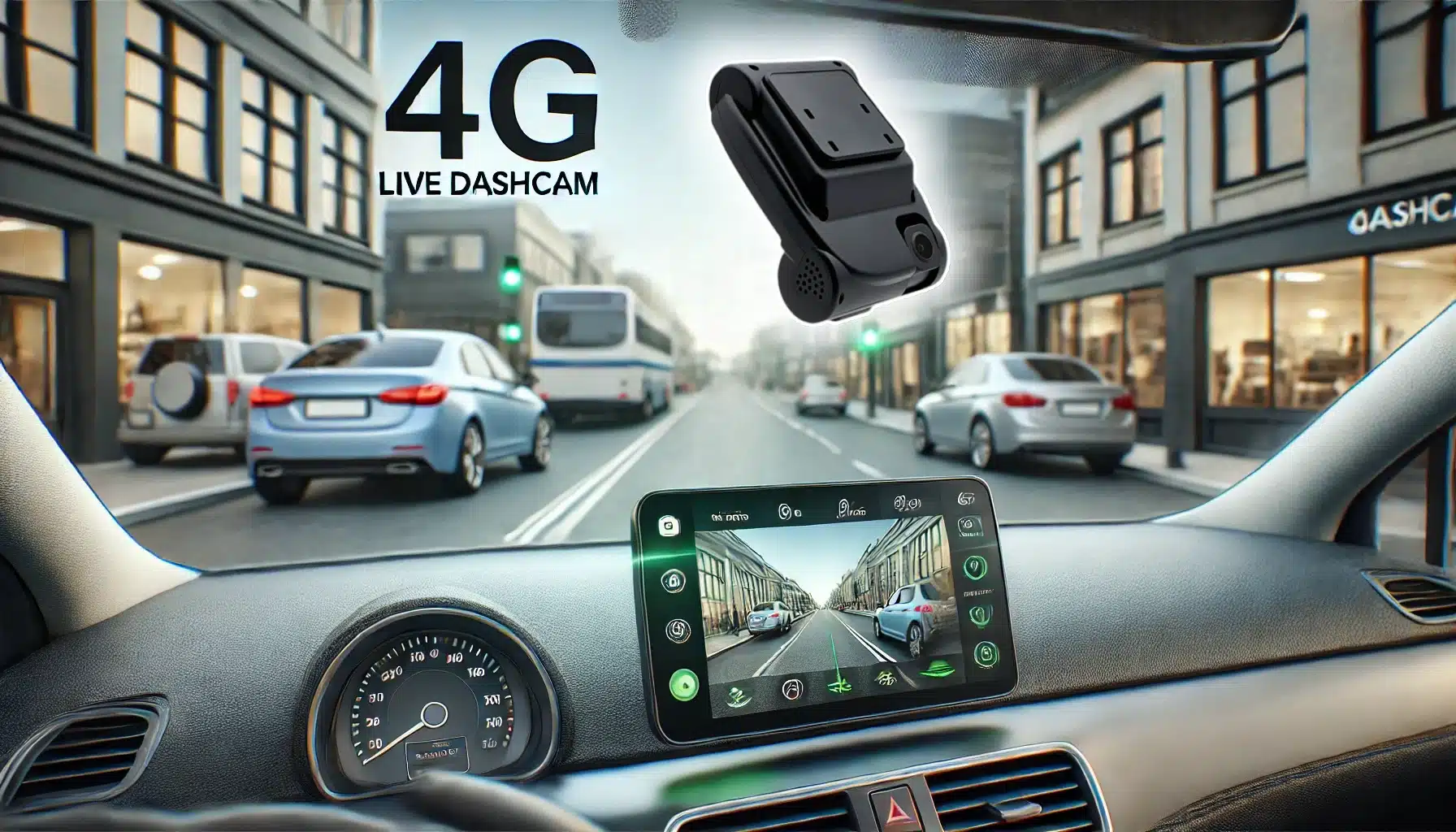
A smart dashcam is an advanced video recording device that incorporates artificial intelligence (AI), GPS, and cloud connectivity to offer real-time analytics, safety alerts, and enhanced monitoring capabilities. Unlike traditional dashcams, which primarily record video, smart dashcams analyze footage, detect risky behaviors, and provide actionable insights for improved safety and efficiency.
Key Features of Smart Dashcams
Smart dashcams come equipped with advanced features that set them apart from conventional models:
- AI-Powered Analytics: Detects distracted driving, drowsiness, and other risky behaviors in real time.
- Dual-Lens Recording: Simultaneously records the road ahead and the vehicle interior for comprehensive coverage.
- GPS Tracking: Monitors vehicle location, speed, and route history.
- Event-Based Recording: Automatically captures footage during incidents such as collisions or harsh braking.
- Cloud Connectivity: Stores video footage securely in the cloud for remote access and analysis.
- Real-Time Alerts: Sends notifications to fleet managers for events like speeding, lane departure, or collisions.
- Night Vision: Infrared technology ensures clear video recording in low-light conditions.
- Two-Way Communication: Allows drivers to communicate directly with fleet managers through the dashcam interface.
How Smart Dashcams Work
Smart dashcams leverage advanced hardware and software to provide intelligent monitoring and analytics:
- Video Recording: High-definition cameras capture footage of the road and vehicle interior.
- AI Processing: Machine learning algorithms analyze video data to identify risky behaviors or incidents.
- Data Transmission: Video and analytics are transmitted to a cloud platform via 4G or 5G connectivity.
- Remote Access: Fleet managers can access live feeds, review recordings, and generate reports through a web dashboard or mobile app.
- Automated Alerts: Notifications are sent for specific events, such as collisions or driver fatigue, enabling immediate action.
Benefits of Smart Dashcams
1. Enhanced Safety
By monitoring driver behavior and providing real-time feedback, smart dashcams help reduce accidents and improve road safety.
2. Improved Fleet Efficiency
GPS tracking and route optimization features help minimize fuel consumption, reduce delivery times, and enhance overall efficiency.
3. Evidence for Dispute Resolution
Recorded footage serves as valuable evidence in case of accidents, insurance claims, or legal disputes.
4. Cost Savings
Smart dashcams reduce costs associated with accidents, insurance premiums, and vehicle maintenance.
5. Real-Time Monitoring
Fleet managers can monitor live video feeds and analytics from anywhere, ensuring better oversight and quicker responses to issues.
6. Enhanced Driver Accountability
With real-time monitoring and alerts, drivers are encouraged to adopt safer driving habits, improving overall performance.
Applications of Smart Dashcams
Smart dashcams are used across various industries to enhance safety, efficiency, and accountability:
1. Logistics and Transportation
Monitor cargo safety, track delivery routes, and ensure compliance with driving regulations in logistics fleets.
2. Public Transport
Ensure passenger safety and monitor driver behavior in buses, taxis, and other public transport vehicles.
3. Emergency Services
Ambulances, fire trucks, and police vehicles use dashcams to document incidents and improve response times.
4. Construction and Heavy Equipment
Dashcams help monitor operator performance, prevent accidents, and ensure compliance with safety protocols in construction fleets.
5. Ride-Sharing and Delivery Services
Companies like Uber, Lyft, and DoorDash use dashcams to ensure driver and passenger safety and resolve disputes effectively.
Future Trends in Smart Dashcams
The evolution of smart dashcams is driven by advancements in technology and the growing demand for smarter fleet management:
1. Integration with Autonomous Vehicles
Smart dashcams will play a critical role in autonomous driving systems, providing real-time analytics and enhancing decision-making.
2. Enhanced AI Capabilities
Future dashcams will feature more sophisticated AI, capable of predicting and preventing accidents through advanced analytics.
3. Wider Adoption of 5G Connectivity
High-speed 5G networks will enable faster data transmission and support more advanced features.
4. Improved Video Quality
Dashcams will offer ultra-high-definition (4K and beyond) video resolution for even greater clarity.
5. Integration with Smart Cities
Smart dashcams will become part of larger smart city ecosystems, contributing to traffic management and public safety initiatives.
Challenges and Solutions
Despite their advantages, smart dashcams face several challenges:
1. Data Privacy and Security
Ensuring compliance with data protection regulations is critical. Encryption and secure storage solutions address these concerns.
2. High Initial Costs
Advanced dashcams can be expensive, but their long-term benefits often justify the investment.
3. Network Reliability
Dashcams relying on cloud connectivity need stable networks. Hybrid systems with local storage options offer a solution.
Conclusion
Smart dashcams are revolutionizing vehicle safety and fleet management by combining traditional video recording with advanced analytics and connectivity. These systems enhance safety, improve efficiency, and provide actionable insights, making them indispensable for modern fleets. As technology continues to evolve, smart dashcams will play an even more integral role in shaping the future of transportation and logistics. Explore the latest smart dashcams to unlock the full potential of intelligent driving and fleet management.