Introduction to Vehicle Camera Technology
Vehicle camera technology has emerged as a transformative force within the automotive and transportation industries, enhancing safety and promoting exploration on the road. These systems are designed to provide drivers with a comprehensive view of their surroundings, significantly reducing blind spots and improving overall situational awareness. As vehicles become increasingly integrated with advanced technologies, the role of cameras continues to evolve, paving the way toward smarter driving experiences.
The fundamental principle of vehicle camera systems rests on the utilization of high-resolution cameras strategically positioned around the vehicle. These cameras capture real-time imagery of the vehicle’s environment, which is then processed and rendered on in-vehicle displays. The data captured by these cameras can provide critical information regarding road conditions, nearby obstacles, and potential hazards, thus aiding drivers in making informed decisions while navigating various terrains.
In recent years, the significance of vehicle camera technology has grown exponentially, propelled by advancements in image processing algorithms, artificial intelligence, and machine learning. These developments have enabled cameras to not only capture visuals but also interpret live data, enhancing features such as lane keeping assistance, collision avoidance, and pedestrian detection. Moreover, camera systems are integral to autonomous vehicles, where they play a crucial role in ensuring safety and facilitating exploration of diverse driving environments.
As the automotive landscape continues to innovate, vehicle camera technology stands at the forefront of redefining transportation. It serves not only as a safety mechanism but also as an essential tool for enabling more connected and automated driving experiences. With ongoing research and development, it is clear that the future of vehicle cameras is bright, making them indispensable components in the pursuit of safer roads and enhanced exploration.
The Importance of Safety in Automotive Development
The automotive industry has undergone significant transformations over the years, with safety becoming a paramount concern in vehicle development. Statistical data reveal that millions of vehicular accidents occur annually, resulting in a staggering number of injuries and fatalities. For example, the National Highway Traffic Safety Administration (NHTSA) estimated in recent reports that over 36,000 people lost their lives in traffic crashes in the United States in just one year. This alarming figure highlights the urgent need for innovative solutions in the realm of automotive safety.
In response to these distressing statistics, manufacturers are increasingly integrating advanced technologies into their vehicle designs. Among these innovations, vehicle cameras stand out as a critical component in enhancing safety on the roads. These cameras, designed to monitor and capture the surrounding environment, significantly reduce blind spots, provide real-time feedback to drivers, and assist in various maneuvers. For instance, rear-view cameras have become standard, helping motorists avoid collisions while reversing. Additionally, advanced driver-assistance systems (ADAS) employ multiple cameras to create a 360-degree view of the vehicle’s environment, enabling features such as automatic braking and lane-keeping assistance.
Moreover, the incorporation of vehicle cameras extends beyond mere accident prevention. These devices are instrumental in educating drivers about their surroundings, ultimately fostering safer driving habits. As this technology evolves, we can anticipate the proliferation of even more sophisticated systems, including those powered by artificial intelligence and machine learning, which will continually learn from driving patterns and adapt accordingly.
As the automotive industry champions safety through innovative technology, it is crucial to remain committed to developing solutions that not only address current challenges but also anticipate future demands. The constant evolution of vehicle cameras exemplifies the industry’s dedication to enhancing safety, aiming to significantly reduce accident rates and improve overall driving experiences. In this ever-evolving landscape, the importance of safety remains at the forefront of automotive development strategies.
What is Infinite Vision Technology?
Infinite Vision Technology represents a groundbreaking advancement in vehicle safety and awareness, fundamentally changing how drivers interact with their surroundings. This innovative technology leverages a combination of high-definition 360-degree cameras and augmented reality overlays, providing a comprehensive view that significantly expands the driver’s field of vision. By seamlessly integrating these elements, Infinite Vision enhances situational awareness, making driving safer and more intuitive.
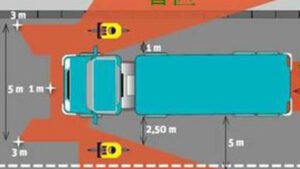
The core of Infinite Vision Technology is its ability to eliminate blind spots, which have long been a source of concern for drivers. Traditional mirrors give only a limited perspective, often leaving critical areas outside the driver’s awareness. In contrast, 360-degree cameras capture a complete sphere around the vehicle, relaying real-time visuals to the driver. This panoramic view allows for a more precise understanding of nearby obstacles, pedestrians, and other vehicles, significantly reducing the chances of accidents.
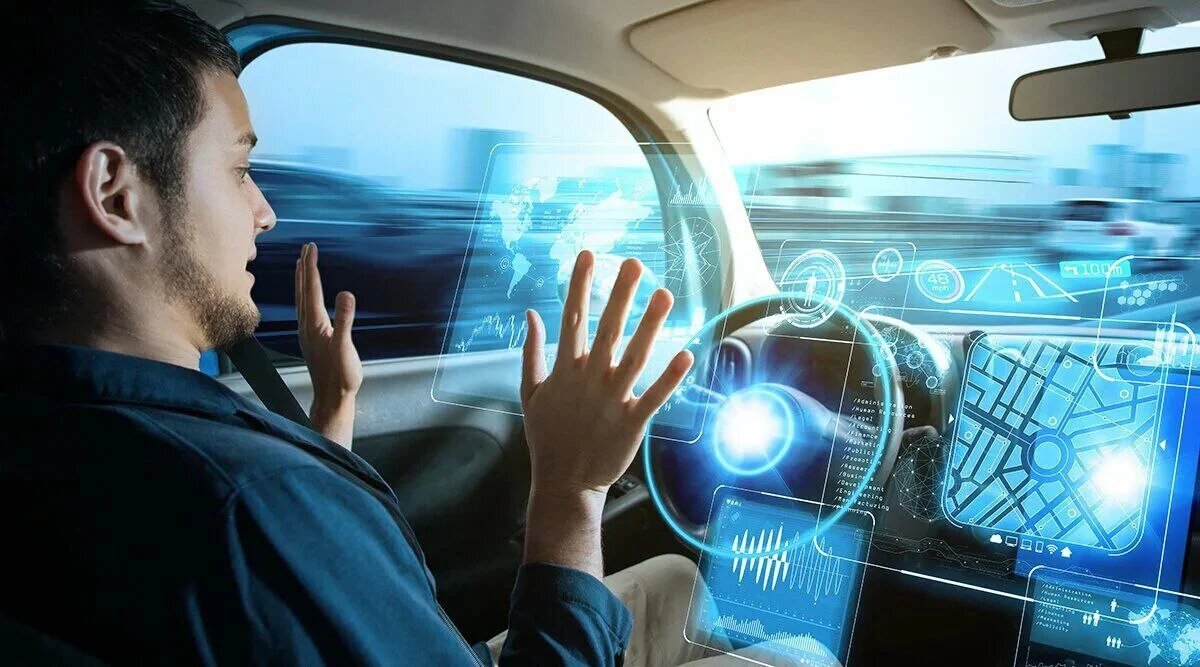
Furthermore, the incorporation of augmented reality overlays elevates this viewing experience. By superimposing digital information onto the live feed from the cameras, drivers receive intuitive visual cues that direct their attention to potential hazards and assist in navigation. This interactive display can highlight lane boundaries, indicate distances to objects, and provide directional guidance—all of which contribute to a safer driving experience. Such capabilities are invaluable, particularly in complex driving environments, like urban settings or crowded parking lots.
As the automotive industry explores the vast potential of Infinite Vision Technology, it promises to redefine vehicle safety standards. By embracing this innovative approach, drivers not only gain a heightened awareness of their immediate environment but also foster a more proactive attitude towards road safety. In this way, Infinite Vision Technology stands to revolutionize the relationship between drivers and their vehicles, making roads safer for everyone.
Exploration & Adventure: The Role of Vehicle Cameras
In today’s rapidly evolving automotive landscape, vehicle cameras have emerged as indispensable tools for enhancing the exploration and adventure experiences of drivers. These advanced camera systems are meticulously designed to assist individuals as they navigate through challenging terrains, thereby improving off-road capabilities and enabling thrilling driving experiences. By leveraging cutting-edge technology, vehicle cameras contribute significantly to overall safety, ensuring that adventures are both enjoyable and secure.
One of the most prominent roles of vehicle cameras is their ability to provide drivers with a comprehensive view of the environment surrounding their vehicle. This is particularly beneficial when traversing rugged landscapes, where conventional mirrors may fail to capture vital visual information. With features such as wide-angle lenses and enhanced night vision, these camera systems allow drivers to maneuver confidently over obstacles and along narrow paths, thus expanding the possibilities for exploration.
Moreover, the integration of vehicle cameras into navigation systems offers unparalleled convenience during off-road excursions. These cameras can deliver real-time feedback and alerts to drivers, which is crucial when tackling unpredictable terrains. The images and video captured by these systems can aid in assessing obstacles, identifying safe routes, and ensuring that drivers remain on track, ultimately facilitating a more adventurous journey.
Vehicle cameras also play a significant role in enhancing safety during explorations. They can be utilized to monitor blind spots, offer assistance during reversing maneuvers, and provide drivers with a clearer perspective of the road ahead. By ensuring a heightened level of awareness, drivers are better equipped to respond to sudden changes in their environment, thereby minimizing the risk of accidents and enhancing the overall adventure experience.
In summary, vehicle cameras are transforming the way adventurous drivers approach exploration by enhancing navigation, improving safety, and unlocking new paths for discovery. These sophisticated systems not only enrich the driving experience but also foster a greater degree of confidence for drivers eager to embark on their next adventure.
Real-World Applications: Case Studies of Success
The integration of infinite vision vehicle camera technology has revolutionized the approach to safety and exploration in various sectors. Numerous case studies illustrate the profound impact that these advanced systems have had across different industries. For example, a notable case involves a fleet management company that adopted infinite vision cameras to enhance the safety of their delivery vehicles. These cameras provided 360-degree visibility, significantly minimizing blind spots and preventing collisions. As a result, the company reported a 30% reduction in accidents within the first year, thus lowering insurance costs and improving driver confidence.
Another compelling case study comes from a commercial construction firm that implemented infinite vision cameras on their heavy machinery. This technology not only aided equipment operators in navigating complex job sites but also enhanced overall site safety. Workers reported feeling safer due to the improved visibility, leading to a notable decrease in near-miss incidents. The firm recorded a 50% decline in incidents in the subsequent year, showcasing how the implementation of vehicle camera technology can foster a safer working environment.
Furthermore, a public transportation authority adopted infinite vision camera systems in their buses to enhance passenger safety and operational efficiency. By equipping vehicles with these advanced cameras, the authority was able to streamline route navigation and ensure that drivers were more aware of their surroundings. This initiative led to a 20% decrease in accidents involving passenger buses, directly correlating with heightened safety measures and improved service reliability.
These real-world examples underscore the effectiveness of infinite vision vehicle camera technology in improving safety and fostering better navigational capabilities across different sectors. The evidence indicates that companies leveraging such technologies not only enhance operational performance but also significantly contribute to safer transportation solutions.
The Future of Vehicle Camera Systems
The future of vehicle camera systems is becoming increasingly exciting due to rapid advancements in technology. As we advance into the realm of intelligent transportation, vehicle cameras are not just mere passive observation tools; they are evolving into sophisticated systems capable of enhancing both safety and driver experience. A notable trend in this evolving landscape is the integration of artificial intelligence (AI) into vehicle camera systems. AI technologies are enabling cameras to interpret and analyze real-time data, allowing for smarter decision-making processes in critical situations.
One of the groundbreaking applications of AI in vehicle camera systems lies in the utilization of machine learning algorithms for obstacle detection. These algorithms can learn from vast datasets, improving the accuracy of object recognition and tracking. This means that vehicle camera systems will be better equipped to identify pedestrians, cyclists, and various obstacles, thus significantly reducing the likelihood of accidents. Furthermore, advancements in camera resolution and sensor technology are augmenting these systems, allowing vehicles to acquire high-definition images and maintain seamless performance in various environmental conditions.
Moreover, as we progress towards fully autonomous driving, the reliance on comprehensive vehicle camera systems will grow exponentially. Automakers are focusing on developing multi-camera setups that provide a 360-degree view of the vehicle’s surroundings. This holistic perspective is essential for the accurate navigation required for autonomous systems, as it aids in obstacle detection and decision-making processes while ensuring a higher level of safety for both passengers and pedestrians.
In addition, innovations such as integrated vehicle-to-vehicle (V2V) communication are anticipated to complement vehicle camera systems, enabling them to share vital information with other vehicles. This collaboration will further enhance situational awareness and efficiency on the roads. Overall, as technology continues to progress, vehicle camera systems are set to become pivotal in shaping a safer and more efficient driving future.
Challenges and Limitations of Current Technologies
As the automotive industry increasingly integrates advanced vehicle camera technologies, several challenges and limitations have emerged that could impede their effectiveness and widespread adoption. One significant issue is image clarity, which can be severely impacted in adverse weather conditions such as rain, fog, snow, and even at night. Reduced visibility can lead to decreased functionality of these cameras, potentially compromising safety and the reliability of features such as automated lane keeping and obstacle detection. Vehicles equipped with camera systems must contend with these environmental limitations, raising concerns over their dependability in critical situations.
Another pressing concern is data privacy. As vehicle camera systems gather substantial amounts of visual data, including information about surrounding environments, they potentially raise privacy issues for drivers and pedestrians alike. The collection of this sensitive data necessitates rigorous security measures and clear guidelines on data usage, sharing, and storage. Without proper regulations and public awareness regarding how this data is managed, users might hesitate to embrace advanced vehicle camera systems, fearing potential breaches of privacy or misuse of their personal information.
Additionally, the costs associated with implementing advanced camera systems can be a major barrier to entry for many manufacturers and consumers. High-resolution cameras equipped with cutting-edge features such as artificial intelligence require significant investment in both hardware and software, which could drive up the prices of vehicles equipped with these systems. This financial burden might limit the number of consumers who can access these technologies, ultimately hindering their broader implementation across the automotive market.
In essence, while vehicle camera technologies hold great potential for enhancing safety and navigation, addressing the challenges of image clarity in diverse weather conditions, safeguarding data privacy, and managing associated costs is crucial for their improved functionality and acceptance in the automotive realm.
How to Choose the Right Vehicle Camera System
Selecting the appropriate vehicle camera system is crucial for enhancing safety and ensuring effective monitoring while driving. Several pivotal factors should be considered when making this decision, addressing both personal preferences and specific requirements associated with your vehicle.
First, assess your budget. Vehicle camera systems can vary significantly in price, ranging from basic models to advanced systems with multiple features. It’s essential to determine how much you are willing to invest, keeping in mind that more expensive options often come with enhanced features such as higher resolution video, night vision capabilities, and advanced recording functionalities. A well-defined budget will help narrow down your options and ensure that you choose a product that offers the best value for your investment.
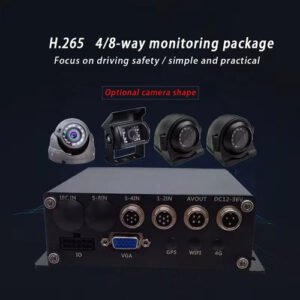
Next, consider the type of vehicle you own. Different vehicles may require different camera configurations. For instance, larger vehicles like trucks or RVs might benefit from multiple cameras positioned around the vehicle to provide a comprehensive view, while smaller cars may only need a single rear-view camera. Additionally, some vehicles come with specific mounting limitations or unique features that could influence your choice. Understanding your vehicle’s compatibility with camera systems is essential for optimal installation and performance.
Lastly, evaluate the specific safety features that are important to you. Some camera systems come equipped with advanced functionalities such as collision warnings, lane departure alerts, and parking assistance. These features can significantly enhance road safety and provide peace of mind. It’s vital to prioritize which features align with your driving habits and preferences to ensure the camera system you choose meets your needs effectively.
In summary, by considering your budget, vehicle type, and desired safety features, you can make a well-informed decision on the right vehicle camera system, enhancing your driving experience and overall safety on the road.
Conclusion: The Path Ahead for Safe Vehicle Exploration
As we have explored throughout this discussion, the evolution of vehicle camera technology is pivotal in enhancing safety and enabling a more secure exploration of our roads. The integration of advanced camera systems not only aids in reducing blind spots but also provides drivers with comprehensive situational awareness. These technological advancements support the notion that safety should never be compromised when it comes to navigating our vehicles in an ever-changing landscape.
Moreover, the development of intelligent vehicle cameras equipped with features such as obstacle detection, lane-keeping assistance, and even 360-degree views can drastically minimize the likelihood of accidents. This dramatic shift towards enhanced visual support redefines how drivers interact with their environment, encouraging safer exploration and fostering confidence behind the wheel. The role of camera technology in modern vehicles is becoming increasingly critical as it evolves alongside other innovations in vehicle automation and connectivity.
Additionally, as we anticipate future advancements, it is essential for industry stakeholders, including manufacturers and policy makers, to prioritize the integration of these systems in all new vehicles. Establishing high safety standards not only improves user experience but also ensures that both drivers and pedestrians feel secure in their surroundings. The future of safe vehicle exploration hinges upon these collective initiatives and a commitment to leveraging camera technologies effectively.
In summary, by embracing the innovations that vehicle camera technology offers, we can confidently look forward to a time when the roads are safer for all. The continuous evolution of these systems suggests an exciting frontier for safe driving experiences, where enhanced visuals translate into improved decision-making and reduced risk on the road, paving the way for more responsible exploration.