
Introduction to Blind Spots in Large Vehicles
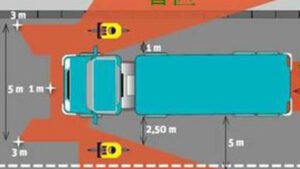
Blind spots are areas around a vehicle that cannot be directly observed by the driver, creating significant hazards, particularly for larger vehicles such as trucks and buses. These zones can lead to serious accidents, as operators of large vehicles may inadvertently change lanes, make turns, or reverse without seeing nearby vehicles, cyclists, or pedestrians. The nature of large vehicles itself, combined with their substantial dimensions, results in larger blind spots compared to smaller cars.
Research indicates that a substantial number of road incidents stem from blind spot-related collisions. According to the National Highway Traffic Safety Administration (NHTSA), over 800 fatalities each year in the United States alone can be attributed to accidents involving large trucks, with many of these accidents occurring due to blind spots. The Federal Motor Carrier Safety Administration (FMCSA) highlights that a significant percentage of crashes involving large vehicles occur during lane changes or turns, situations where blind spots are most prevalent.
Furthermore, the statistics demonstrate that the consequences of blind spot accidents are often severe, not only for the occupants of the larger vehicle but also for other road users, including pedestrians. The inability to see a smaller vehicle or individual in a blind spot can lead to tragic outcomes. As such, it is crucial to address these hidden areas of danger through improved safety measures and technological advancements. Enhanced awareness for drivers of large vehicles regarding their blind spots plays a vital role in promoting road safety. Moreover, it is essential for other road users, including pedestrians and cyclists, to understand the limitations of large vehicles to help mitigate potential risks associated with blind spots.
Understanding Radar Technology
Radar technology, which stands for Radio Detection and Ranging, operates on the fundamental principle of sending out electromagnetic waves and analyzing their reflections. This method enables the determination of the distance, speed, and direction of objects in the vicinity. At its core, radar systems transmit radio waves towards an object, such as another vehicle or a pedestrian. When these waves encounter an object, they bounce back to the radar system’s receiver. The time it takes for the echoes to return provides crucial data that assists in understanding the position and movement of surrounding entities.
There are various types of radar systems, each tailored to meet specific operational needs. Among them, the most notable for vehicle safety applications are pulse radar and continuous wave radar. Pulse radar sends bursts of energy in short intervals, allowing it to measure longer distances effectively. This type is widely utilized in applications where detecting distant objects is critical, such as in automotive collision avoidance systems. In contrast, continuous wave radar emits a constant signal, which is particularly adept at measuring the speed of an object. This characteristic makes it invaluable for applications requiring quick response times, such as in adaptive cruise control systems.
Another significant advancement in radar technology is the introduction of phased array radar systems. These systems utilize an array of antennas that can electronically steer the radar beam without moving the antenna physically. This feature allows for rapid scanning of the environment, greatly enhancing a vehicle’s situational awareness. Furthermore, modern radar systems leverage techniques like Doppler processing and motion detection, making them more efficient in identifying potential hazards, especially in challenging urban environments.
The Role of Radar Systems in Mitigating Blind Spot Hazards
Radar systems are increasingly recognized as a vital technology in addressing the issue of blind spot hazards in large vehicles. These systems employ electromagnetic waves to detect objects that may otherwise remain undetected by the driver, significantly enhancing road safety. The primary function of a radar system in this context is to monitor the areas surrounding a vehicle and provide real-time data about nearby objects, especially in the zones that are difficult for the driver to see.
The technology operates by emitting radio waves that reflect off nearby objects, allowing the radar receiver to gauge distance, speed, and direction. This data is processed to alert the driver of any potential obstacles, prominently focusing on blind spots. With the incorporation of radar systems, large vehicles such as trucks and buses can minimize blind spot accidents by offering additional awareness of the surroundings, thereby enabling safer lane changes and turns.
Various vehicles are equipped with advanced radar systems that demonstrate their efficacy. For instance, many modern trucks incorporate radar-driven collision warning and lane-keeping assist features. These systems trigger visual or audible alerts when another vehicle enters the blind spot, allowing the driver to make informed decisions. Notably, manufacturers such as Volvo and Mercedes-Benz have implemented radar technology in their commercial vehicles, showcasing a commitment to enhancing safety measures.
Moreover, studies have indicated that the presence of radar systems can lead to a marked reduction in blind spot-related accidents. In addition to providing alerts, some systems automatically mitigate risks by integrating with the vehicle’s braking and steering mechanisms. This approach not only aids drivers in avoiding collisions but also promotes a safer driving environment overall. Thus, radar systems play a critical role in addressing the challenges posed by blind spots, representing a significant advancement in vehicular safety technology.
Case Studies of Radar Systems in Use
Radar systems have proven to be an effective solution in mitigating large vehicle blind spot hazards across various applications. Many municipalities and companies have successfully implemented these technologies, leading to significant improvements in safety and operational efficiency.
One notable example comes from a major metropolitan city that integrated radar systems into its public bus fleet. Prior to the installation of these systems, the city experienced a troubling number of accidents involving buses, particularly in urban areas where pedestrian and cyclist interactions were common. After deploying radar technology, which alerts drivers to nearby obstacles in blind spots, the fleet reported a 30% reduction in accident rates within the first year. The system also provided substantial improvements in driver confidence, allowing for safer maneuvering in tight spaces.
Another compelling case study involves a logistics company that manages a substantial number of delivery trucks. Faced with the challenges of operating in busy environments, this company opted to equip its fleet with advanced radar systems tailored for large vehicles. By utilizing these systems, the company was able to enhance its safety protocols. Reports indicated a decrease in near-miss incidents, and drivers found the alerts provided by radar technology invaluable for navigating crowded areas. Moreover, the investment in radar systems paid off not only through enhanced safety but also through increased operational efficiency as deliveries became more reliable.
Lessons learned from these implementations highlight the importance of training drivers on how to effectively use radar systems and the necessity of maintaining the technology for optimal performance. Organizations that incorporate periodic reviews and updates to their systems enhance the longevity and accuracy of the radar technology, ultimately ensuring continued safety benefits.
These case studies illustrate the transformative power of radar systems in addressing the inherent risks associated with large vehicle blind spots, showcasing their potential to save lives and improve operational workflows.
Comparative Analysis: Radar Systems vs Other Blind Spot Solutions
Blind spot detection systems are essential for ensuring the safety of large vehicles, particularly in environments where visibility is limited. Among the various technologies available for this purpose, radar systems, cameras, and ultrasonic sensors each offer distinct advantages and disadvantages. A comparative analysis highlights their differing capabilities, cost implications, and effectiveness in varying conditions.
Radar systems utilize electromagnetic waves to detect objects, providing a significant advantage in adverse weather conditions such as rain, fog, or snow. This robustness allows radar systems to maintain performance where optical solutions, such as cameras, may falter due to reduced visibility. Additionally, radar can operate effectively in low-light situations, further enhancing the overall safety of large vehicles.
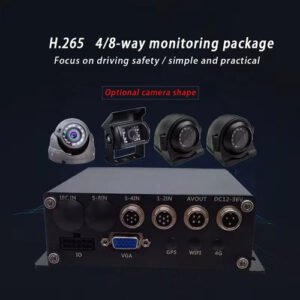
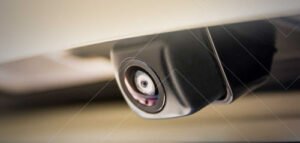
On the other hand, camera-based systems rely on visual data, offering high-resolution images that can help in identifying potential hazards with clear visual cues. These systems can often be less expensive than radar solutions, making them an appealing option for those on a tight budget. However, cameras are typically more susceptible to challenging weather conditions and may struggle to provide accurate detection in darkness or inclement weather.
Ultrasonic sensors represent another alternative, mainly excelling in low-speed scenarios and close-range detection. While they can effectively monitor adjacent vehicles during parking or maneuvering, their performance diminishes at higher speeds and with larger distances, limiting their applicability for large vehicles. Furthermore, they are less effective in detecting obstacles that are too far away or in environments with potential interference, such as heavy traffic.
Ultimately, the decision to utilize radar systems versus other blind spot solutions hinges on specific operational needs, budget considerations, and the typical environments in which large vehicles operate. Each technology presents its own set of benefits and limitations, making it essential to evaluate these factors carefully when selecting the most suitable blind spot detection system.
Regulatory Framework and Industry Standards for Radar Systems
The implementation of radar systems in vehicles is subject to a range of regulations and industry standards that vary across different countries. These regulations are designed to ensure that radar technologies function effectively and enhance safety on the roads. In the United States, for instance, the Federal Motor Vehicle Safety Standards (FMVSS) outline the necessary safety requirements that manufacturers must adhere to when incorporating radar systems into their vehicles. This fosters an environment in which advanced driver-assistance systems (ADAS), including radar functionalities, can operate with a high degree of reliability.
In Europe, the legislative framework is shaped by the United Nations Economic Commission for Europe (UNECE) regulations, which provide guidelines for vehicle safety, performance, and operational effectiveness. Pertaining to these guidelines, car manufacturers must conduct rigorous testing of radar systems to ensure compliance, which often includes a certification process that aligns with the Global Technical Regulation (GTR). These frameworks emphasize not only the technical specifications but also the necessity for real-world validation to assess anomalies that could emerge in practical scenarios.
Moreover, different markets may have unique requirements that manufacturers must navigate. In many countries, adherence to ISO standards related to radar technology is often obligatory. The ISO 26262 standard, for example, outlines the functional safety of electrical and electronic systems, stressing the significance of thorough hazard analysis, risk assessment, and hazard mitigation strategies. This ensures that radar systems used for blind spot detection are not just effective but are also safe for consumer use.
As the radar technology space continually evolves, it is essential for stakeholders to remain vigilant about changing regulatory environments. By staying current with both national and international standards, manufacturers can drive improvements in vehicle safety and operational efficacy, thereby addressing significant blind spot hazards associated with larger vehicles.
Challenges and Limitations of Radar Technology
Radar technology has emerged as a pivotal solution for enhancing safety in vehicles, particularly in addressing large vehicle blind spot hazards. However, it is not without its challenges and limitations. One significant concern with radar systems is the issue of false positives. False positives occur when the radar detects an object that is not a real threat, leading to unnecessary warnings for the driver. This can create confusion and undermine the driver’s trust in the system, potentially distracting them from genuine hazards that require attention.
Another critical limitation is the performance of radar systems in adverse weather conditions. Radar signals can be affected by factors such as rain, snow, fog, and even heavy wind. While radar is typically more effective in poor visibility compared to other sensor technologies, its reliability can still be compromised under extreme conditions. For instance, heavy rainfall may scatter radar waves, reducing the system’s ability to accurately identify objects in its path. Consequently, there remains a need for continuous improvement in radar technology to enhance its robustness under varied environmental factors.
Additionally, effective operation of radar systems necessitates regular maintenance and updates. As with most technological systems, degradation over time can affect performance, potentially leading to reduced accuracy in detecting objects and subsequently increasing blind spot hazards. Manufacturers must ensure that users are informed about the importance of periodic maintenance checks and software updates to keep the radar systems functioning optimally. Failure to adhere to these guidelines can lead to diminished safety features, ultimately compromising the efficacy of the radar systems in mitigating blind spot risks.
Future Trends in Radar Technology for Vehicle Safety
Radar technology has been an essential component in enhancing vehicle safety, particularly regarding blind spot detection. As we look to the future, several trends are likely to shape the way radar systems evolve to address safety concerns for large vehicles. Increasing vehicle automation will drive innovations in radar technology. Advanced Driver Assistance Systems (ADAS) are being integrated with radar systems to improve accuracy in detecting blind spots and obstacle proximity. This integration will lead to the development of more sophisticated sensors that can better interpret complex driving environments.
One noteworthy advancement is the potential for higher frequency radar systems, which could provide more detailed data regarding surrounding objects. Such systems can enhance spatial resolution and improve detection capabilities, particularly for smaller objects that may otherwise be overlooked by traditional radar. As vehicle manufacturers prioritize safety features, future radar systems are expected to incorporate multi-modal sensing, integrating radar with other technologies such as cameras and LiDAR. This fusion will create a more comprehensive understanding of the vehicle’s surroundings, thereby reducing blind spot hazards.
Additionally, with the growing emphasis on autonomous driving technology, radar systems will be developed to meet the needs of fully automated vehicles. These vehicles will require continuous communication with external systems to operate safely. Future radar technology will likely evolve to enable not only individual vehicle safety but also fleet coordination, optimizing traffic flow while minimizing hazards. Moreover, advancements in artificial intelligence will allow radar systems to adapt to dynamic environments, thereby enhancing their reliability.
As we move forward, radar technology will play a crucial role in safeguarding drivers and passengers from blind spot hazards. The continued investment in research and innovation will ultimately contribute to a safer driving experience, benefitting both large vehicles and the wider road community.
Conclusion: The Importance of Adopting Radar Systems
Road safety has become a paramount concern in today’s transportation landscape, particularly as large vehicles continue to dominate highways and urban environments. The implementation of radar systems offers a viable solution to the prevalent issue of blind spot hazards associated with these larger vehicles. These innovative technologies are designed to enhance visibility and awareness, reducing the likelihood of accidents caused by unseen obstacles or other road users. By utilizing radar to detect vehicles and pedestrians within critical areas, drivers can make better-informed decisions, ultimately leading to safer road travel.
Moreover, the benefits of integrating radar technology extend beyond mere accident prevention. Enhanced safety measures not only protect the lives of those inside large vehicles but also safeguard the well-being of pedestrians and cyclists who may be at risk. Transportation stakeholders, including fleet operators, manufacturers, and regulatory bodies, must recognize the significance of adopting radar systems as part of comprehensive safety strategies. By investing in radar technology, organizations demonstrate their commitment to securing safer roads and minimizing potential liabilities.
Furthermore, the ongoing advancement of radar systems indicates that these technologies will only become more efficient and accessible in the future. With increasing pressure to improve safety standards, the adoption of radar solutions must be prioritized by all parties involved in the transportation ecosystem. As we look towards improving overall road safety, the integration of radar systems presents a critical opportunity to address and mitigate the inherent risks of large vehicle blind spots. Stakeholders should seriously consider implementing these systems to foster safer, more responsible driving practices across the board.