Enhancing Fleet Efficiency with Advanced Vehicle Management Systems (VMS)
In today’s fast-paced world, managing a fleet of vehicles efficiently is more crucial than ever. Whether you are overseeing a small company fleet or a large logistics operation, the need for real-time tracking, driver safety, and cost-effective management has never been greater. Vehicle Management Systems (VMS) are essential tools that help businesses optimize their fleet operations, enhance driver safety, and ensure compliance with regulations.
One of the key components that elevate vehicle management systems is the integration of advanced technologies like GPS tracking, real-time video streaming, ADAS (Advanced Driver Assistance Systems), and DMS (Driver Monitoring Systems). Let’s explore how these features can revolutionize your fleet management approach.
1. Real-Time Vehicle Tracking with GPS and 4G Connectivity
A fundamental feature of modern VMS is GPS tracking, which allows fleet managers to monitor vehicle locations in real-time. By integrating Beidou and GPS systems, businesses can track their vehicles with high accuracy, providing up-to-the-minute location data. This helps prevent unauthorized vehicle use, optimize routes, and reduce fuel consumption by providing the most efficient travel paths.
Moreover, the 4G connectivity in modern systems like the HX-880 dashcam ensures that this data is transmitted in real-time, allowing for immediate decision-making in case of delays or emergencies.
2. Dual-channel HD Video Recording for Enhanced Security
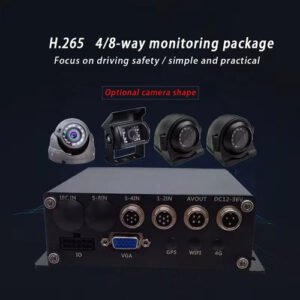
With dual-camera systems offering 1080P HD resolution, VMS can capture both the front and rear views of vehicles. This is crucial not only for recording driving behavior but also for providing critical evidence in the event of an accident or dispute.
The HX-880 dash cam integrates this video surveillance feature with infrared night vision, making it highly effective in all lighting conditions. The ability to monitor vehicle surroundings from both the front and rear ensures comprehensive coverage, improving the safety of drivers and others on the road.
3. Driver Monitoring System (DMS) for Enhanced Safety
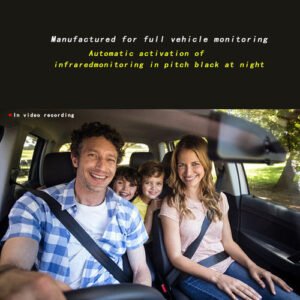
Driver Monitoring Systems (DMS) are designed to help prevent accidents caused by driver fatigue, distraction, and other unsafe behaviors. The HX-880 integrates AI-powered algorithms that can detect signs of fatigue, distraction, and drowsiness, alerting the driver with an audible alarm.
This technology is essential for businesses that rely on drivers for long hours, such as logistics companies, as it helps reduce the risk of accidents, enhances driver well-being, and lowers insurance costs.
4. Advanced Driver Assistance Systems (ADAS)
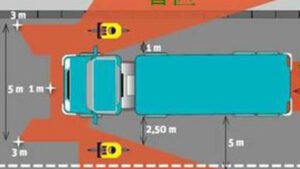
ADAS (Advanced Driver Assistance Systems) provides drivers with a range of tools designed to improve road safety and reduce human error. Features like lane departure warnings, collision avoidance, and pedestrian detection make it easier for drivers to stay safe, especially in challenging driving conditions.
The HX-880 comes equipped with ADAS, helping drivers avoid potential collisions and stay within their lane, especially on highways and busy urban streets. This technology significantly reduces the risk of accidents and enhances the overall safety of the fleet.
5. Easy Remote Management and Mobile Integration
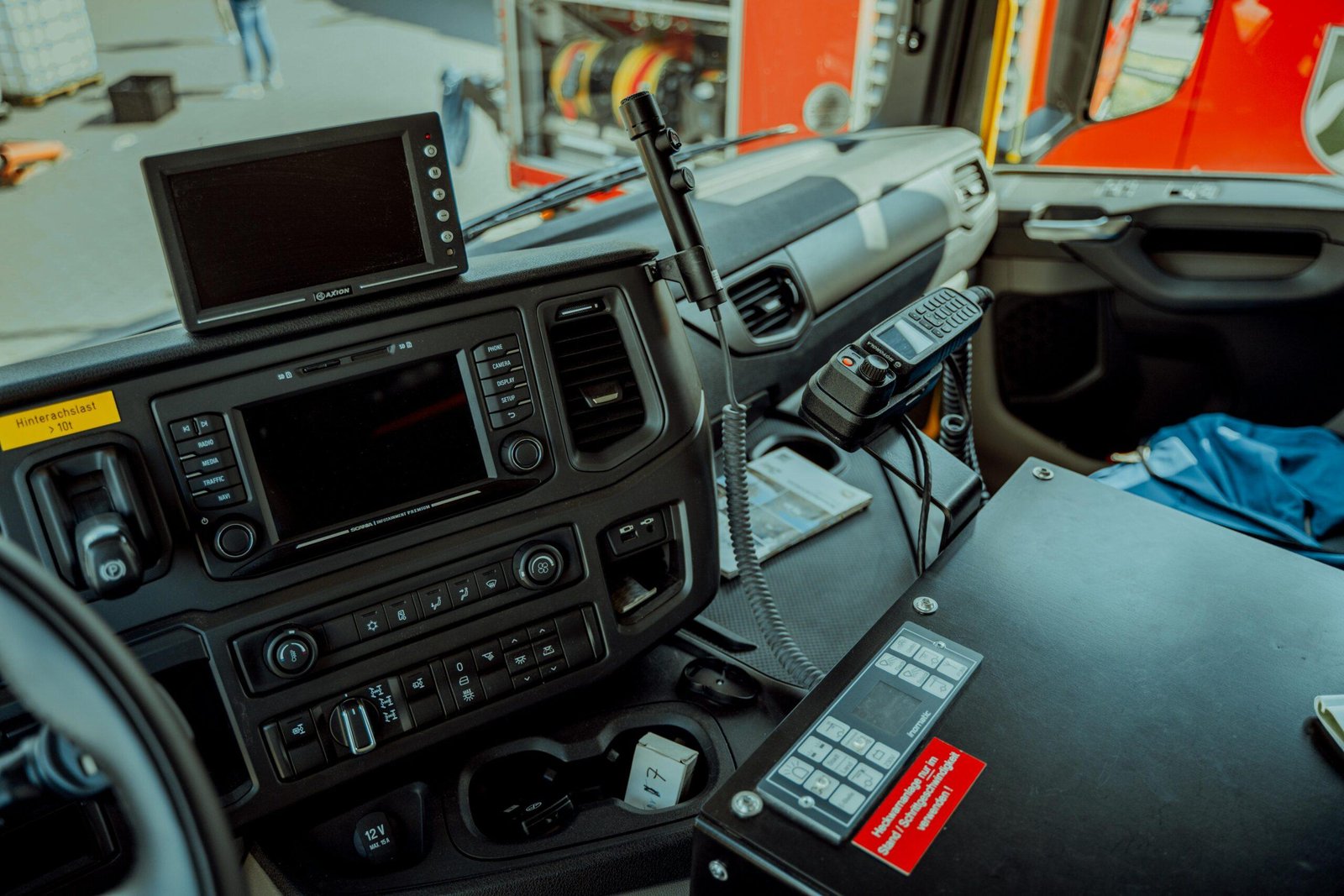
Managing a fleet requires constant oversight, but with the integration of mobile apps and web-based platforms, fleet management becomes much more efficient. The HX-880 allows fleet managers to access vehicle data, including video footage, location tracking, and system status, all from a mobile app or web interface. This means fleet managers can monitor and manage vehicles remotely, whether in the office or on the go.
Through mobile app connectivity, fleet managers can access real-time video, review driving behavior, and receive alerts on issues such as overspeeding, sudden braking, or unsafe driving practices.
6. Cost Savings and Improved Efficiency
The benefits of a vehicle management system go beyond safety and security. With features like route optimization, fuel consumption monitoring, and maintenance alerts, fleet managers can significantly reduce operational costs. Monitoring the maintenance status of vehicles ensures they are serviced at the right intervals, preventing breakdowns and improving the longevity of the fleet.
Additionally, real-time vehicle tracking enables businesses to optimize their fleet routes, reducing idle time and fuel consumption. This leads to cost savings on fuel and maintenance, improving the overall efficiency of fleet operations.
7. Compliance and Data Reporting
For many businesses, especially those in transportation and logistics, staying compliant with industry regulations is a priority. A robust VMS provides detailed reports on vehicle activities, including mileage, fuel consumption, driving behavior, and maintenance logs. This data can be used to ensure compliance with government regulations, improve operational efficiency, and support safety audits.
The HX-880 provides the ability to store and export logs and videos for reporting purposes, ensuring compliance with regulations related to driver behavior, vehicle safety, and more.
Final Thoughts
As fleet management becomes increasingly complex, the need for advanced vehicle management systems like the HX-880 is more important than ever. With integrated GPS tracking, real-time video surveillance, ADAS, and DMS, businesses can enhance the safety of their drivers, reduce operational costs, and improve overall fleet efficiency.
By investing in a comprehensive VMS, fleet managers gain better control over their vehicles, improve safety, and optimize costs, all while ensuring compliance with industry regulations. Whether you are a small business or managing a large fleet, the right VMS is key to driving your fleet operations into the future.