
Complete Guide to Features & Selection
Car cameras are essential for modern vehicle safety, offering core functions such as:
Accident Evidence Collection: Provides reliable video proof for traffic incident analysis.
In-Cabin Monitoring: Real-time visibility for drivers and passengers.
Conflict Resolution & Anti-Theft Support: Resolves disputes, locates lost items, and deters theft.
Safety Surveillance: Monitors interior/exterior environments to enhance driving security.
6 Key Factors to Evaluate Car Camera Performance
1. Sensor Type: CCD vs. CMOS
CCD Sensors: Superior image quality and accurate color reproduction (ideal for professional use), but higher cost.
CMOS Sensors: Cost-effective, low power consumption, but require better lighting conditions.
Recommendation: Prioritize CCD cameras for premium performance if budget allows.
2. Resolution Standards
Mainstream: 420 TV lines (industry standard); 380 TV lines suffice for basic needs with proper calibration.
High-End Options: 480+ TV lines capture finer details, but may compromise night vision clarity.
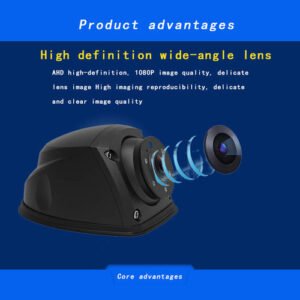
Lens Material: High-quality glass lenses significantly enhance image sharpness.
3. Night Vision Capability
Technology: Infrared (IR) or LED white-light supplementation ensures clarity in low-light environments.
Selection Tip: Opt for models with adaptive light adjustment to minimize color distortion.
4. Waterproof Rating
Industry Standard: Most reverse cameras feature IP67 or higher waterproofing for rain/snow resilience.
5. Vehicle Compatibility
Dedicated Models: 500+ vehicle-specific cameras available—prioritize models matching your car.
Universal Models: Choose license-plate-mounted, butterfly-style, or perforated cameras if no dedicated option exists.
6. Lens Specifications
Focal Length:
Short (Wide-Angle): Broad coverage for close-range monitoring.
Long (Telephoto): Focuses on distant details with narrow fields of view.
Aperture (F-stop):
Lower F-values (e.g., F1.4) allow more light, improving low-light performance.
Zoom Functionality:
Motorized zoom lenses (6x–20x) suit large-scale surveillance scenarios.
How Car Cameras Work
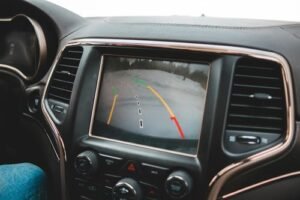
Power & Signal: Activates via reverse light power when shifting to reverse gear; transmits video wirelessly to the dashboard display.
Display Compatibility:
Built-in Screens: Auto-switch to camera view when reversing.
GPS/DVD Systems: Require manual activation.
Installation & Maintenance Guide
Environmental Requirements: Operates at 0–50°C; avoid high-temperature zones.
Storage Solutions:
SD Cards: Shock-resistant but limited capacity (~8 hours of recording).
1TB HDD: Supports month-long continuous recording.
Advanced Features: Speed/license plate overlays, GPS tracking, and wireless data transfer.
Installation Tips:
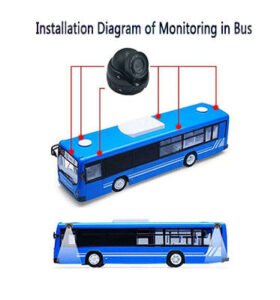
Use compact, lightweight designs to avoid obstructing passenger space.
Prioritize IR-enhanced dome cameras for low-light environments.
Industry Recommendation: Trusted Car Camera Brand
Shenzhen FireCore Technology Co., Ltd
10+ years of expertise in automotive camera R&D and production.
Offers 1,000+ dedicated and universal models compatible with 500+ vehicle types.