Active blind-spot detection (ABSD) systems are revolutionizing vehicle safety by providing drivers with critical information about unseen areas around their vehicles. These systems use sensors, cameras, and alerts to warn drivers of potential hazards, significantly reducing the risk of accidents during lane changes or merging. In this article, we explore the technology, benefits, applications, and future developments of active blind-spot detection systems.
What Is Active Blind-Spot Detection?
Active blind-spot detection is a safety feature integrated into modern vehicles to monitor the areas adjacent to and behind the car that are not visible to the driver. According to NHTSA, these systems are designed to prevent accidents caused by lane-change collisions, a common occurrence in urban and highway driving.
How Active Blind-Spot Detection Systems Work
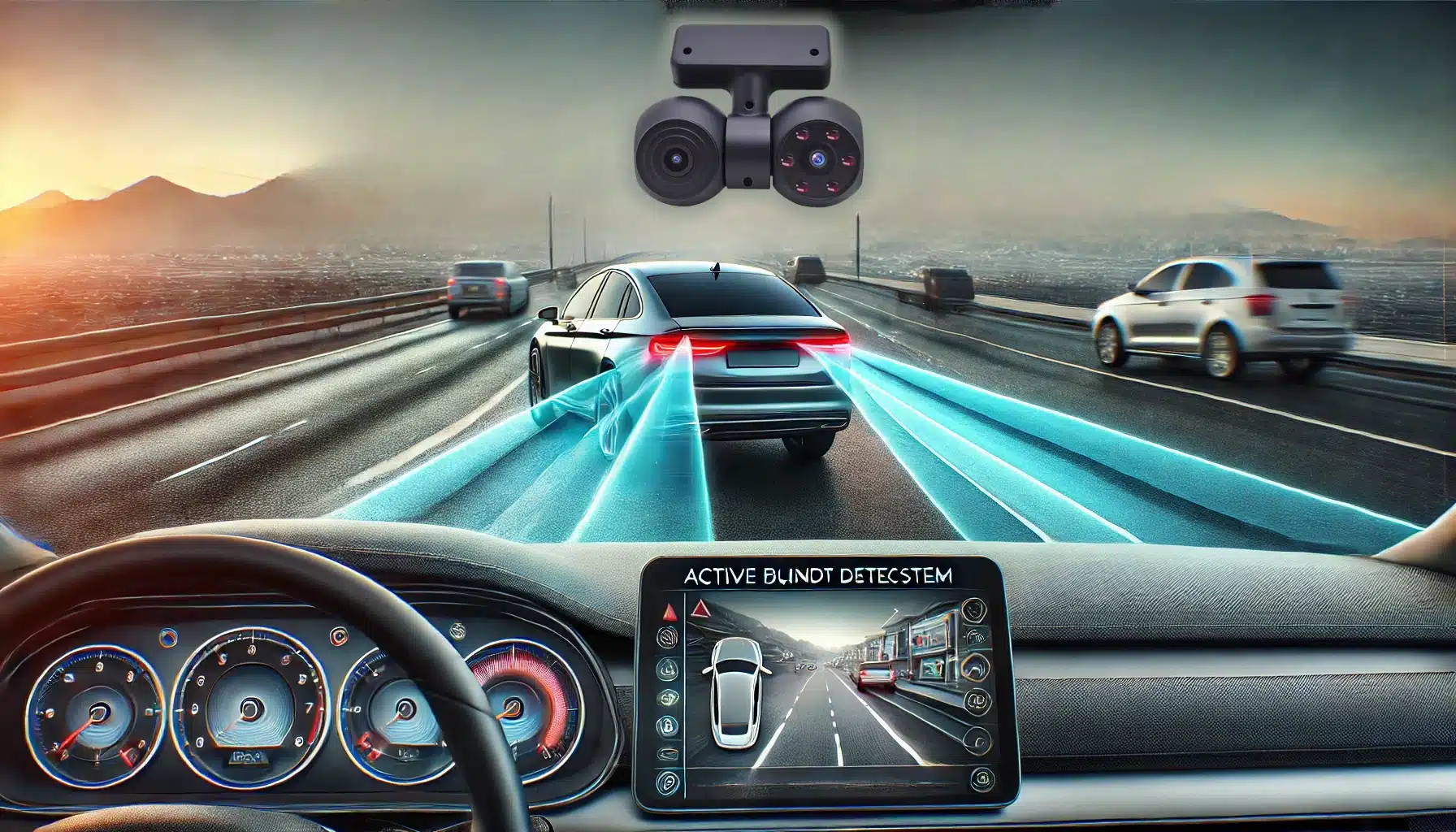
ABSD systems rely on a combination of advanced technologies to detect and alert drivers of nearby vehicles in their blind spots:
- Sensors: Radar or ultrasonic sensors mounted on the sides of the vehicle continuously monitor adjacent lanes.
- Cameras: High-resolution cameras provide visual feedback of the blind spots.
- Processing Unit: Data from sensors and cameras is analyzed in real time to identify potential hazards.
- Driver Alerts: When a vehicle is detected in the blind spot, the system issues visual, auditory, or tactile warnings to the driver.
- Active Intervention: In advanced systems, corrective actions such as steering adjustments or braking may be automatically applied to avoid collisions.
Key Features of Active Blind-Spot Detection
Modern ABSD systems come equipped with a range of features to enhance safety and usability:
- Real-Time Monitoring: Continuous scanning of adjacent lanes for vehicles or objects.
- Integrated Alerts: Warnings delivered through dashboard indicators, side mirror lights, or auditory signals.
- Lane Change Assist: Warns drivers attempting a lane change when a vehicle is present in the blind spot.
- Cross-Traffic Alerts: Monitors rear cross-traffic when reversing or merging into lanes.
- Automatic Interventions: Advanced systems apply steering corrections or braking to prevent accidents.
Benefits of Active Blind-Spot Detection
1. Reduced Lane-Change Collisions
According to the Insurance Institute for Highway Safety (IIHS), vehicles equipped with blind-spot detection systems experience a 14% reduction in lane-change collisions.
2. Enhanced Driver Confidence
ABSD systems provide drivers with critical information, enabling safer and more confident lane changes, particularly in heavy traffic or on highways.
3. Improved Fleet Safety
For commercial fleets, these systems reduce accident rates, lowering insurance costs and vehicle downtime.
4. Prevention of Side-Impact Accidents
By warning drivers of nearby vehicles, ABSD systems help prevent dangerous side-impact collisions, which often result in severe injuries.
5. Support for Autonomous Driving
ABSD technology is a crucial component of advanced driver-assistance systems (ADAS) and plays a foundational role in the development of autonomous vehicles.
Applications of Active Blind-Spot Detection
1. Passenger Vehicles
ABSD systems are increasingly standard in passenger cars, enhancing safety for everyday drivers and their families.
2. Commercial Fleets
Fleet operators rely on ABSD systems to reduce collision rates and ensure compliance with safety regulations. Companies like Samsara offer fleet management solutions that integrate blind-spot detection.
3. Heavy-Duty Vehicles
In trucks and buses, where blind spots are larger, ABSD systems are vital for ensuring safe lane changes and merges.
4. Motorcycles
Emerging ABSD technologies are being adapted for motorcycles, providing riders with visual and auditory warnings of vehicles in their blind spots.
Future Trends in Active Blind-Spot Detection
As technology evolves, ABSD systems are becoming more sophisticated. Key trends include:
1. AI and Machine Learning
AI-powered systems improve hazard recognition and predictive capabilities, enabling faster and more accurate responses.
2. V2V and V2X Communication
Vehicle-to-vehicle (V2V) and vehicle-to-everything (V2X) communication allow ABSD systems to share data with other vehicles and infrastructure, enhancing situational awareness.
3. Wider Adoption Across Vehicle Segments
As costs decrease, ABSD systems are being incorporated into mid-range and budget vehicles, making advanced safety accessible to more drivers.
4. Integration with Autonomous Systems
ABSD technology is being integrated with self-driving systems, playing a critical role in autonomous vehicle navigation and safety.
Challenges and Limitations
While ABSD systems offer significant safety benefits, they are not without challenges:
- High Costs: Advanced ABSD systems can be expensive, limiting their adoption in budget vehicles.
- Sensor Limitations: Adverse weather conditions such as heavy rain or snow can reduce sensor accuracy.
- Driver Overreliance: Drivers may become overdependent on ABSD systems, leading to complacency.
Conclusion
Active blind-spot detection systems are transforming vehicle safety by addressing one of the most critical challenges in driving—blind spots. With advancements in technology and increasing adoption across vehicle types, these systems are paving the way for safer roads and more confident drivers. As part of the broader evolution of ADAS and autonomous vehicles, ABSD systems will continue to play a pivotal role in enhancing road safety and efficiency.