
In the modern landscape of transportation, the integration of safety technology plays a pivotal role in enhancing road safety. Historically, traffic accidents have claimed countless lives and resulted in significant injuries, underscoring the need for effective safety measures. According to the National Highway Traffic Safety Administration (NHTSA), over 38,000 individuals lose their lives in vehicular accidents annually in the United States. Such grim statistics have catalyzed advances in automotive safety features, aimed at mitigating these tragic occurrences.
The evolution of safety technology has witnessed remarkable strides over the past decades. Features such as antilock braking systems (ABS), electronic stability control (ESC), and airbags have become standard in vehicles, greatly reducing the severity of collisions. More recently, the advent of advanced driver-assistance systems (ADAS) has revolutionized the way drivers interact with their vehicles. Technologies such as lane departure warnings, automatic emergency braking, and adaptive cruise control not only offer enhanced protection to drivers and occupants, but they also play a critical role in preventing accidents from occurring in the first place.
Understanding the functionality and benefits of these safety technologies is crucial for drivers. It empowers them to appreciate how such devices can save lives and reduce the likelihood of injuries on the roads. For instance, research illustrates that vehicles equipped with forward collision warning systems have demonstrated a 27% reduction in accident rates, emphasizing the effectiveness of technology in real-world scenarios. This correlation between technology and decreased road incidents reinforces the necessity for drivers to embrace these innovations, fostering a culture of safety that is essential for everyone sharing public roadways. Ultimately, promoting awareness of safety technology serves to encourage responsible driving behaviors and enhance collective road safety for all.
Common Types of Safety Technologies Available
In the realm of modern automobiles, safety technologies have advanced significantly, providing drivers with various tools designed to enhance road safety. One of the noteworthy innovations is Automatic Emergency Braking (AEB). This system detects potential collisions and provides autonomous braking assistance to prevent or mitigate accidents. Its implementation has shown substantial effectiveness in reducing rear-end collisions, thus safeguarding both drivers and pedestrians alike.
Another prominent feature is Lane Departure Warning (LDW). This technology employs cameras and sensors to monitor lane markings, alerting drivers if they unintentionally drift out of their lane. By promoting increased vigilance, LDW contributes to overall traffic safety and helps in reducing the likelihood of lane-related accidents.
Adaptive Cruise Control (ACC) represents yet another critical advancement in safety technology. This system automatically adjusts a vehicle’s speed to maintain a safe distance from the vehicle ahead. By taking over the task of speed management, ACC not only lessens driver fatigue during long trips but also plays a significant role in preventing rear-end collisions caused by sudden stops.
Moreover, Forward Collision Warning (FCW) systems serve as an essential precaution, issuing alerts when a potential collision is imminent. By offering timely warnings, these systems aim to foster quicker reactions from drivers, contributing to enhanced protection on the roads.
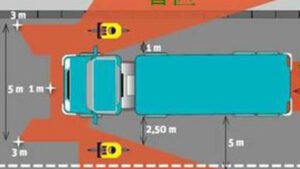
Additional technologies such as Blind Spot Monitoring (BSM) and Rear Cross Traffic Alert (RCTA) further augment safety by alerting drivers to obstacles or vehicles that may not be visible via mirrors. These technologies play a crucial role in accident prevention, especially in crowded urban environments.
As the automotive industry continues to integrate these safety technologies, the impact on driver awareness and enthusiastic adoption of such systems is expected to grow, ultimately leading to safer roads for everyone. Each feature offers unique benefits that collectively promote enhanced safety and confidence while driving.
Barriers to Adoption: Why Some Drivers Resist Safety Tech
Despite the growing prevalence of safety technology in vehicles, many drivers express hesitations regarding its adoption. These barriers can be rooted in a variety of concerns, misconceptions, and emotional responses that contribute to a reluctance to embrace these advancements. One significant factor is the skepticism surrounding the reliability of safety technology. Some drivers hold the belief that these systems may malfunction or fail to function under critical circumstances, leading to potential hazards rather than mitigating them. This skepticism is often fueled by isolated incidents reported in the media, which can amplify fears regarding the effectiveness of such technology.
Another considerable barrier is the fear of change. For many drivers, their vehicle represents freedom and control, with established driving habits engrained over many years. The introduction of advanced safety features can be perceived as intrusive, undermining their autonomy. As a result, drivers may resist engaging with new technology, feeling that it disrupts their traditional driving experience. The reluctance to incorporate safety technology stems from the belief that these features might alter or diminish the enjoyment of driving.
Moreover, the misconception that safety technologies only serve the purpose of warning drivers, rather than enhancing their skills is prevalent. Some individuals may feel that relying on technology could decrease their attention and driving aptitude, fostering a false sense of security. This perception can lead to an aversion to integrating safety features into their driving routine. Understanding these barriers is crucial for stakeholders in the automotive industry as it can guide the development of educational initiatives aimed at demystifying safety technology. By addressing these apprehensions explicitly and highlighting the tangible benefits of such enhancements, it becomes possible to foster a more favorable attitude towards adopting safety technology among drivers.
Successful Strategies for Encouraging Driver Buy-in
Emphasizing the importance of embracing safety technologies is essential to fostering a culture of safety among drivers. A series of proven strategies can significantly enhance drivers’ willingness to adopt these innovations. One of the most effective methods is the implementation of educational initiatives aimed at informing drivers about the advantages and functionalities of safety technologies. Providing comprehensive training sessions, workshops, and easily accessible online resources allows drivers to better understand how these tools can enhance their safety, ultimately leading to a higher buy-in rate.
Another impactful strategy is to conduct hands-on demonstrations of the safety technologies in real-life scenarios. By allowing drivers to directly interact with the technology, they can visually experience its benefits. This practical approach not only demystifies the technology but also instills a sense of confidence in its use. Demonstrations can include showcasing features such as lane departure warnings, adaptive cruise control, and emergency braking systems, allowing drivers to appreciate how these functionalities enhance their driving experience.
Incentives serve as a powerful motivator for encouraging the adoption of safety technologies. Organizations can consider implementing reward programs that recognize and reward drivers who consistently utilize these technologies. Gamifying the experience can also increase engagement; for example, tracking safety metrics and offering prizes for exceptional performance stimulates interest and promotes continual use. Furthermore, leveraging testimonials or case studies from drivers who have successfully integrated these technologies into their daily routines can inspire others to follow suit. Real-life examples of improved safety and reduced incident rates build a compelling narrative that resonates with drivers, facilitating greater acceptance and trust in safety technology.
The Role of Training and Education
Training and education play a critical role in facilitating drivers’ acceptance and effective utilization of safety technology. As advancements in automotive safety features continue to evolve, ensuring that drivers are well-versed in these developments is essential for maximizing their effectiveness. A structured approach to training can foster a deeper understanding of how these safety technologies operate and their potential benefits, leading to increased buy-in from drivers.
Workshops are one effective method for delivering such training. These interactive sessions provide an environment where drivers can engage directly with safety technology under the guidance of knowledgeable instructors. Through hands-on demonstrations, drivers can learn how to navigate safety features, such as lane departure warnings, adaptive cruise control, and automatic emergency braking systems. The practical experience helps solidify knowledge, allowing drivers to feel more confident in employing these features in real-world scenarios.
In addition to workshops, online tutorials serve as a valuable resource for enhancing driver education. These easily accessible platforms can offer detailed visual guides and step-by-step instructions on utilizing various safety technologies. Online learning allows drivers to learn at their own pace and revisit complex concepts as needed. Coupled with informational materials, such as brochures or videos, education efforts can reinforce key safety technology messages and promote long-term awareness.
The impact of training and education on driver acceptance of safety tech cannot be understated. When drivers understand the benefits of safety features—ranging from accident prevention to potential cost savings—there is a higher tendency to embrace these innovations. Furthermore, continuous education on updates and advancements ensures that drivers remain equipped to handle new safety technology as it emerges. Such a comprehensive approach not only enhances safety on the road but also contributes to a culture of proactive driving, ultimately benefiting all road users.
Incorporating Feedback from Drivers
In the realm of transportation, incorporating feedback from drivers plays a pivotal role in the successful adoption of safety technologies. This process is not merely about collecting opinions; it involves actively engaging drivers through various methods such as surveys, focus groups, and real-world driving experiences. By doing so, organizations can gain valuable insights into how drivers perceive safety tech and their preferences regarding its features and implementation.
Surveys are one effective method to assess driver feedback, allowing organizations to gather quantitative data on their attitudes and experiences with specific safety technologies. This quantitative analysis can reveal trends and common concerns among drivers, helping developers to identify which features are most valued and which may require further exploration. Furthermore, open-ended questions within surveys can provide qualitative insights that are equally important in understanding the context behind drivers’ perceptions.
Focus groups offer an additional avenue for understanding driver sentiment. By bringing together a small group of drivers to discuss their experiences and expectations with safety technologies, organizations can facilitate a more dynamic exchange of ideas and concerns. This format allows for in-depth discussions that can unearth nuanced opinions, which may not emerge from standard survey questions. Engaging drivers in this way not only fosters a sense of community but also empowers them to contribute meaningfully to the development of safety technologies.
Real-world driving experiences, such as pilot programs or demonstrations, are crucial in translating theoretical feedback into practical applications. By allowing drivers to interact with safety technologies in a controlled environment, organizations can observe how these technologies operate in practice. Feedback obtained from such experiences can guide further refinements and enhance user acceptance. By systematically integrating the insights gained from drivers, the development of safety tech can be oriented toward meeting their actual needs, ultimately leading to higher adoption rates and improved road safety.
Case Studies of Successful Implementation
Successful implementation of safety technology within transportation organizations relies heavily on strategic planning, stakeholder engagement, and continuous assessment. Several case studies highlight the effective integration of such technologies and the proven techniques used to garner driver buy-in.
One prominent example involves a national logistics company that adopted advanced collision avoidance systems across its fleet. Initially, the implementation faced resistance from drivers who were skeptical about the technology’s efficacy and the potential for increased scrutiny on their performance. To counteract this resistance, management facilitated a series of training workshops that educated drivers on the advantages of the technology. Demonstrating how the systems significantly improved their reaction times during test drives helped to alleviate concerns. Consequently, driver engagement increased, resulting in a notable reduction in accident rates by nearly 30% within the first year of adoption.
Another instance is that of a delivery fleet that integrated a driver behavior monitoring tool. Recognizing that drivers might feel threatened by the surveillance aspect, the organization emphasized that the primary goal was to enhance safety rather than penalize. They involved drivers in the decision-making process by soliciting feedback on the technology and incorporating their suggestions into implementation strategies. This collaborative approach not only secured buy-in but also fostered a culture of safety within the fleet. Over the next year, the fleet reported a decrease in unsafe driving incidents, demonstrating a commitment to leveraging technology to improve overall safety without compromising driver morale.
Lastly, a municipal utility company successfully implemented wearable safety devices for their drivers during street maintenance work. The organization conducted pilot programs that allowed a subset of drivers to use the technology first. Gathering insights and testimonials from these early adopters was critical in persuading the wider team of the practical benefits. After a full rollout, the organization noted a significant decline in on-the-job injuries, showcasing that when safety technology is properly introduced and embraced, it can lead to meaningful improvements in work environments.
The Future of Safety Technology in Driving
The future of safety technology in driving is poised for transformative changes, largely driven by advancements in autonomous vehicle technology and the integration of artificial intelligence (AI). These innovations are designed to enhance driver safety significantly while also reshaping perceptions about the role of safety measures in modern transportation.
Autonomous vehicles, commonly referred to as self-driving cars, are at the forefront of safety technology advancements. These vehicles utilize a complex array of sensors, cameras, and radar systems to navigate and assess their environment. As the technology evolves, autonomous driving systems are expected to reduce human error — a leading cause of road accidents. By incorporating machine learning algorithms, these vehicles can continuously improve their performance based on real-world data, thus enhancing road safety. The gradual acceptance of such technologies among drivers can foster a more safety-oriented mindset, ultimately leading to fewer road incidents.
Furthermore, the integration of AI into safety measures goes beyond mere vehicular automation. AI-powered systems can analyze driver behavior, detect distractions, and predict potential hazards in real-time. Warning systems can alert drivers to unsafe conditions or suggest corrective actions, enhancing their engagement in safe driving practices. As these technologies become more sophisticated, drivers are likely to develop greater trust and acceptance of safety innovations, recognizing their potential to prevent accidents.
The development of smart traffic systems that communicate with vehicles is another promising aspect of future safety technologies. These systems can relay information about traffic conditions, road hazards, and weather, allowing drivers to make informed decisions. As technology continues to advance, the use of safety technology will become an integral part of the driving experience, fostering a culture that prioritizes safety on the roads.
Conclusion: Driving Safety into the Future
As we have explored throughout this discussion, the implementation of safety technologies in vehicles is vital for enhancing road safety and reducing the occurrence of accidents. Modern innovations, such as advanced driver assistance systems (ADAS), automatic emergency braking, lane-keeping assist, and other safety enhancements, play a crucial role in protecting both drivers and pedestrians. The effectiveness of these technologies is often influenced by factors such as driver education, awareness, and the integration of health initiatives by manufacturers.
It is essential for drivers to recognize how these safety features can significantly minimize risks while on the road. Embracing safety technologies not only fulfills a legal obligation but also addresses moral responsibilities towards oneself and others. Awareness campaigns and training programs can help in educating drivers on the functionality and benefits of these innovations, thus fostering acceptance and encouraging their use.
Moreover, collaboration among drivers, vehicle manufacturers, and policymakers is paramount to cultivate a culture of safety. Automakers must continue to innovate and refine safety technologies while ensuring that these features are accessible and user-friendly. Policymakers have a role in advocating for regulatory measures that mandate the inclusion of advanced safety technologies in all new vehicles, thereby enhancing public confidence in the safety of modern transportation.
Ultimately, the future of road safety depends on a collective commitment to these technologies. By recognizing their potential and actively engaging in efforts to promote their utilization, society can pave the way for safer roadways and a reduction in traffic-related fatalities. A united approach, where drivers embrace these advancements, manufacturers prioritize safety in design, and policymakers lend support, will undoubtedly lead to a more secure driving environment for everyone.