Introduction to AI Cameras in Driving Safety
In recent years, artificial intelligence (AI) has begun to play a pivotal role in various sectors, including transportation. AI cameras, specifically designed for driving, are at the forefront of enhancing road safety. These advanced systems utilize machine learning algorithms and computer vision technology to analyze real-time data collected from their surroundings. Their primary purpose is to monitor road conditions, identify potential hazards, and promote safer driving practices, making them invaluable tools in today’s automotive landscape.
AI cameras function by capturing high-resolution images and videos of the roadways, pedestrians, and other vehicles, enabling them to detect and interpret various factors that could affect driving safety. For instance, these cameras can recognize traffic signs, track the speed and distance of nearby vehicles, and identify unusual road patterns or obstacles. By processing this information instantaneously, AI cameras assist drivers in making informed decisions, ultimately leading to safer driving behavior.
The integration of AI technology into driving safety not only enhances individual driver awareness but also contributes to a broader vision of road safety. Municipalities and organizations are increasingly recognizing the importance of these systems in reducing accidents and fatalities. Furthermore, with advancements in connectivity and data analytics, AI cameras can communicate with other road safety technologies, providing a comprehensive safety network that adapts to dynamic driving conditions.
However, while the benefits of AI cameras are evident, their implementation also raises several challenges. Privacy concerns, data security issues, and the need for regulatory frameworks to govern the use of such technology are critical aspects that must be addressed. As we further explore the significance of AI cameras in driving safety, it is essential to understand both their advantages and the hurdles that accompany their adoption in our daily lives.
Understanding Precise Identification Technology
Precise identification technology utilized in AI cameras plays a crucial role in enhancing road safety through its ability to accurately detect and interpret various objects on the road. At the core of this technology are advanced algorithms that leverage machine learning and sophisticated image processing techniques. These algorithms enable the cameras to capture high-resolution images and analyze them in real time, thus improving the accuracy of object recognition.
One of the primary functions of AI cameras is to identify critical elements like pedestrians, vehicles, road signs, and obstacles. To accomplish this, the cameras utilize convolutional neural networks (CNNs), which are designed to extract features from images and classify them into predetermined categories. This is essential for ensuring that the system can recognize not just different types of vehicles—such as cars, trucks, and motorcycles—but also the more nuanced distinctions between various road signs, providing context for safe driving decisions.
The integration of machine learning allows the system to continually adapt and improve its recognition capabilities. By processing large datasets over time, AI cameras can better differentiate between multiple objects in complex scenarios, assessing factors such as movement, speed, and proximity. When the technology analyzes driver behavior, it can detect patterns and anomalies, thus contributing to a more comprehensive understanding of potential safety risks on the road. For example, the system may identify instances of abrupt lane changes or sudden braking, enabling proactive measures to enhance road safety.
Overall, precise identification technology in AI cameras represents a significant advancement in road safety measures, providing valuable insights and actionable data to drivers, transportation authorities, and overall system performance. By focusing on detailed and accurate recognition, these systems can significantly mitigate accidents and facilitate a safer driving environment for everyone.
The Impact of AI Cameras on Driver Behavior
Artificial intelligence (AI) cameras are revolutionizing road safety by providing real-time feedback to drivers, significantly influencing their behavior behind the wheel. These cameras, equipped with advanced features such as lane departure warnings, collision alerts, and speed monitoring, contribute to creating a more secure driving environment. By alerting drivers to potential dangers or deviations from safe driving practices, AI systems foster a proactive approach to road safety.
The integration of AI cameras into vehicles generates immediate feedback, empowering drivers to adjust their actions based on the system’s recommendations. For instance, when a driver inadvertently drifts over a lane marking, an AI camera can instantaneously issue a warning, prompting corrective action. Likewise, collision detection capabilities can identify imminent hazards, allowing the driver to take evasive measures. This real-time assistance not only enhances situational awareness but also encourages adherence to traffic regulations, thereby reducing the likelihood of accidents.
Moreover, the psychological impact of having an AI system assist during driving cannot be overstated. The presence of an intelligent co-pilot lends a sense of security, which can lead to more cautious driving practices. Knowing that an AI camera is monitoring their actions may instill a sense of accountability in drivers, urging them to be more mindful of their speed and lane discipline. Consequently, this heightened awareness fosters a culture of safety on the roads, as drivers become more engaged and responsible.
AI cameras play a pivotal role in transforming driver behavior by providing essential feedback and creating a supportive environment for safe driving. Through these technological advancements, it is evident that the implementation of AI in vehicles can lead to broader changes in driving habits, ultimately contributing to road safety and reducing traffic-related incidents.
Case Studies: Successful Implementations of AI Camera Systems
In recent years, various regions and companies have adopted AI camera systems as a means to enhance road safety and improve traffic law compliance. One notable case study comes from a major metropolitan area in North America, where a city implemented AI-enhanced surveillance cameras at critical intersections known for high accident rates. Following the installation, the city recorded a significant 30% reduction in traffic accidents within the first year. The AI cameras, equipped with advanced algorithms, were able to identify traffic violations, such as running red lights and speeding, leading to increased enforcement and awareness among drivers.
Another compelling example is seen in the fleet of a national delivery company, which integrated AI camera systems into their vehicles. The cameras monitored driver behavior in real-time and provided instant feedback through an onboard system. Reports indicated a 25% improvement in adherence to speed limits and reduced instances of harsh braking. The combination of coaching and real-time monitoring not only improved driving behavior but also resulted in a 20% decrease in insurance claims related to accidents, underscoring the effectiveness of AI technology in enhancing safety standards within commercial operations.
Additionally, a public transport authority in Europe has successfully implemented AI cameras across its bus fleet. The project aimed to detect traffic violations by other vehicles that impeded bus routes. After deploying this system, the authority observed improved on-time performance and passenger satisfaction, as well as a notable decrease in incidents involving buses. The AI cameras played a crucial role in identifying habitual offenders, resulting in increased compliance with traffic regulations surrounding public transport.
These examples illustrate the transformative potential of AI camera systems in enhancing road safety, demonstrating significant reductions in accidents and violations while contributing positively to community safety as a whole. By analyzing and learning from these case studies, other entities can consider similar implementations to foster safer driving environments.
Challenges and Limitations of AI Camera Technology
While AI camera technology presents numerous advantages for enhancing road safety, it is not without its challenges and limitations. One significant concern revolves around privacy issues. The implementation of AI cameras in vehicles commonly involves the collection and processing of vast amounts of visual data. This raises worries about how this data is stored, who has access to it, and how it could potentially be misused. As these systems become more integrated into daily life, balancing safety measures with individual privacy rights becomes increasingly complex.
Another critical challenge is the potential for algorithmic bias. AI systems learn from large datasets, and if these datasets are flawed or unrepresentative, the resulting models may exhibit biases. For example, an AI camera might struggle to accurately identify individuals of certain demographics, leading to discriminatory outcomes in traffic enforcement. Addressing these biases requires continual oversight, algorithm refinement, and inclusive data gathering to ensure fair application across diverse populations.
Reliability of AI cameras also presents a significant hurdle to their widespread adoption. External factors such as weather conditions, lighting variations, and obstructions can impair the effectiveness of these systems. Ensuring that AI cameras maintain high levels of accuracy under various conditions is crucial for their success in promoting safe driving. This necessitates ongoing advancements and rigorous testing to build trust in their reliability.
Lastly, the legal landscape surrounding AI technology in vehicles is still evolving. The lack of clearly defined regulations raises questions about accountability in the event of accidents or misjudgments made by AI systems. Policymakers must aim to establish comprehensive frameworks that address these issues to foster a safe and ethically sound environment for AI camera technology in driving. Addressing these challenges will be imperative as the integration of AI cameras continues to progress in the automotive industry.
Future Trends in AI Cameras for Road Safety
The evolution of AI camera technology is poised to significantly transform road safety measures in the coming years. One of the most promising trends is the advancement in sensor technology. Enhanced sensors can capture high-resolution images and video data, enabling AI cameras to identify vehicles, pedestrians, and cyclists with greater accuracy, even under challenging conditions such as poor lighting or inclement weather. This improvement in identification precision is critical for enabling timely response mechanisms that can prevent accidents.
Moreover, the integration of AI cameras with Internet of Things (IoT) devices is becoming increasingly prevalent. By connecting to smart infrastructure, such as traffic lights and roadside sensors, AI cameras can provide real-time data that informs drivers of hazards ahead, vehicular regulations, and even environmental changes. This interconnectedness will amplify the capabilities of road safety systems, leading to a more responsive framework for managing traffic flows and enhancing overall driving conditions.
Furthermore, the advent of 5G connectivity promises to revolutionize how data is shared between vehicles and traffic management systems. With its high-speed and low-latency capabilities, 5G can facilitate instantaneous communication between AI cameras and connected vehicles, ensuring that critical information is relayed without delay. This real-time data exchange can significantly enhance the decision-making processes of both human drivers and autonomous systems, thereby improving safety outcomes on busy roadways.
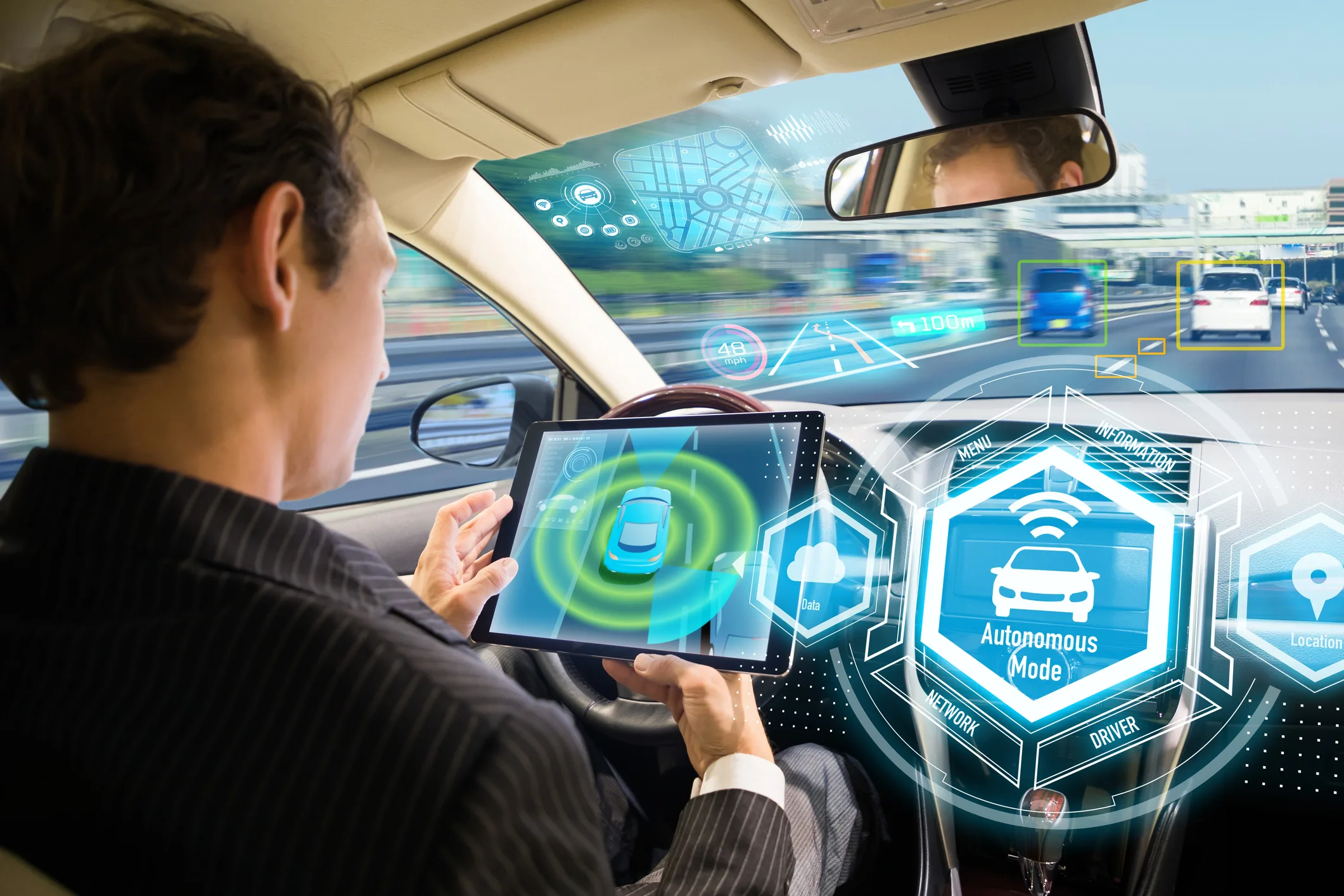
Additionally, the growing potential for AI cameras to integrate with autonomous driving systems cannot be overlooked. As these systems evolve, the reliance on advanced imaging and identification technologies becomes crucial. AI cameras will serve as the eyes of autonomous vehicles, enabling them to navigate complex environments with precision and safety. As future trends unfold, it is clear that AI cameras will play an essential role in shaping a safer driving landscape, marking a transformative leap in road safety initiatives.
Legislation and Policy Considerations for AI Cameras
The integration of AI camera technology into vehicles has prompted a complex landscape of legislative and policy considerations that aim to balance innovation with safety and ethical standards. Currently, various countries have established regulations addressing the use of AI cameras, primarily focusing on privacy, data protection, and public safety. For instance, the European Union has advanced a comprehensive framework for regulating AI technology, emphasizing transparency and accountability. These existing regulations often reflect a growing recognition of the need for safeguarding personal data while harnessing the benefits of AI-driven surveillance.
However, as the deployment of AI cameras becomes more prevalent, significant policy debates have emerged. Central to these discussions is the ethical implication of surveillance, particularly regarding individual privacy rights. Many stakeholders advocate for strict guidelines to govern how data collected by AI cameras is used, shared, and stored. There are concerns regarding potential misuse, data breaches, and unauthorized access, which underscore the necessity for robust legal frameworks that prioritize the rights of citizens while enabling technological advancements.
Moreover, legislative bodies are urged to consider the operational guidelines for AI cameras specifically tailored for enhancing road safety. This includes discussing the scope of their functionality, the standards for accuracy in identification, and the responsibilities of users and manufacturers. New laws must be proposed to not only embrace the technological advancements but also to create a supportive environment that encourages innovation in a manner that inherently prioritizes safety. Establishing clear policies will not only facilitate safe implementation but also ensure public trust in the systems designed to protect road users.
Overall, the legislative landscape surrounding AI camera technology is evolving and requires ongoing attention. The careful development of laws and policies will shape the future of road safety, enhancing the potential of AI to contribute positively to safe driving practices while addressing ethical concerns.
Public Perception and Acceptance of AI Camera Technology
The integration of AI camera technology into road safety protocols has sparked considerable discussion among the public. Surveys and studies indicate a mixed perception concerning its implementation, heavily influenced by factors such as trust in technology, perceived effectiveness, and concerns regarding surveillance. Trust plays a crucial role; individuals are more likely to support AI cameras when they believe in their reliability and accuracy. Research has shown that transparent communication about how these systems function can significantly enhance public confidence.
Perceived effectiveness also significantly impacts acceptance. Many individuals express skepticism regarding the ability of AI systems to accurately identify traffic violations and potentially prevent accidents. Comprehensive studies illustrate that when citizens are informed about the successes and reliability of AI camera technology in improving road safety, their overall acceptance tends to increase. Detailed case studies from cities that adopted AI cameras show a marked decrease in road incidents, which could help shift public opinion in favor of the technology.
However, concerns surrounding surveillance and privacy cannot be overlooked. Many individuals view AI cameras as intrusive and worry about overreach into personal freedoms. Addressing these fears through community engagement and education is essential. Local authorities and stakeholders must prioritize transparency and actively involve the public in discussions about the technology’s implementation. By providing clear information about data collection, usage, and privacy safeguards, authorities can alleviate concerns and foster a more favorable view of AI cameras.
Ultimately, enhancing public understanding of AI camera technology is vital for its successful implementation. Through education and civic dialogue, it is possible to build trust and acceptance, ensuring road safety improvements are fully recognized and supported by the community.
Conclusion: The Path Forward for AI Cameras in Safe Driving
In summary, the discussion surrounding the integration of AI cameras in promoting safe driving practices has highlighted the technology’s significant potential to enhance road safety. Through precise identification of vehicles, pedestrians, and potential hazards, AI cameras can serve as vital tools in reducing traffic accidents and improving overall driving conditions. The capability of these systems to analyze real-time data enables proactive measures to identify dangerous behaviors, such as speeding or aggressive driving, which can lead to serious incidents.
Moreover, the collaboration between technology developers, automotive manufacturers, and lawmakers is essential to create effective regulations that guide the deployment of AI cameras on our roads. Legislators must establish clear and comprehensive policies that not only promote the use of AI technologies but also address privacy concerns and ethical implications that arise with increased surveillance. Similarly, automotive manufacturers are encouraged to integrate AI systems that support driver assistance, thereby enhancing safety features across various vehicle models.
Public engagement is equally crucial in this evolution. Raising awareness about the benefits of AI cameras and educating drivers on how this technology functions can lead to better acceptance and cooperation. Stakeholders must advocate for the responsible use of AI in enhancing road safety while addressing challenges such as sensitivity to individual rights and data security. As technology continues to advance, the road ahead appears promising, yet it requires a concerted and collaborative approach to ensure that the advantages of AI cameras in promoting safe driving are maximized. As we embrace these innovations, we must remain vigilant in addressing any inherent challenges, ensuring a balance between technological advancement and societal norms.