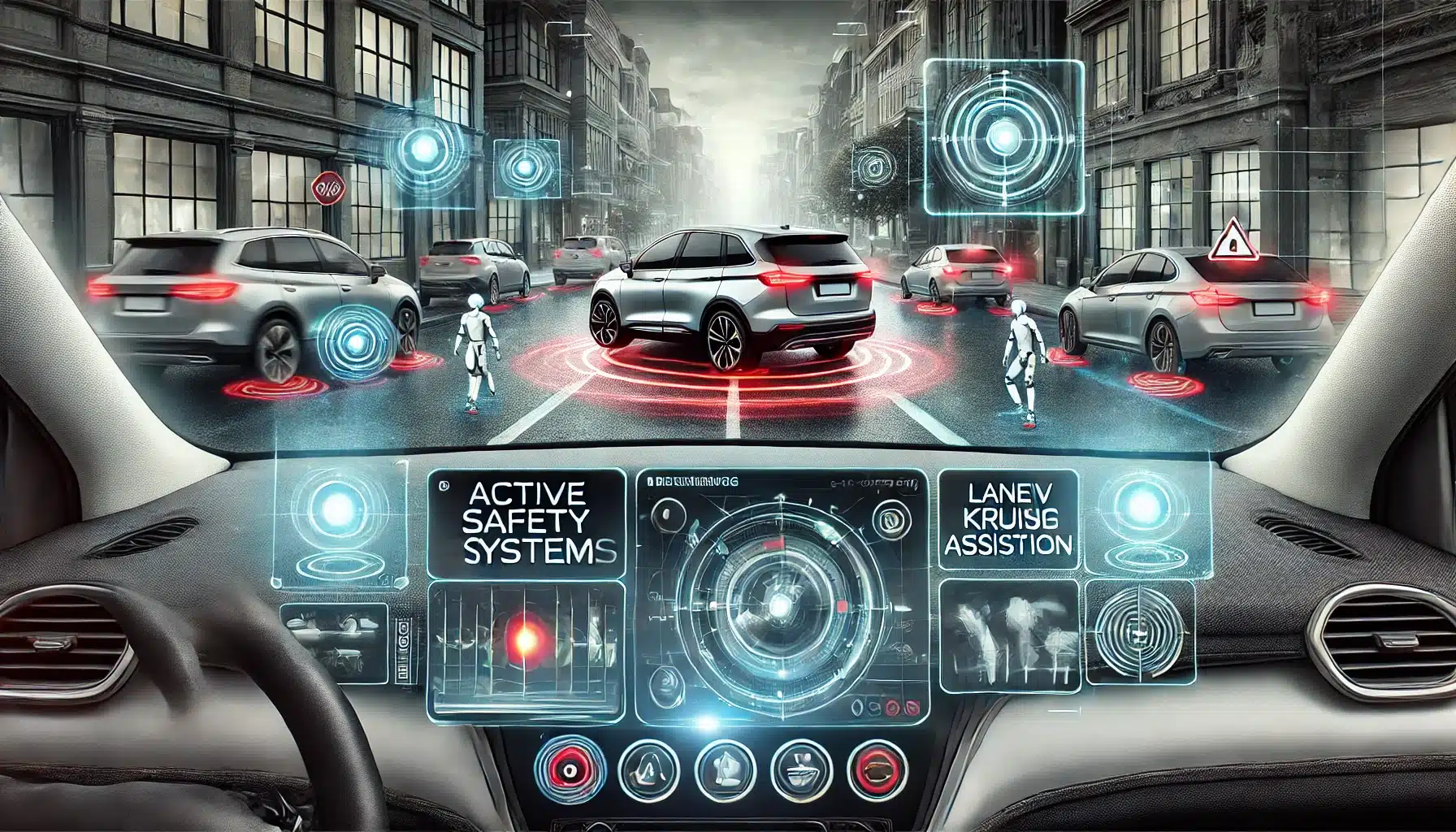
Active safety systems represent a paradigm shift in vehicle safety, focusing on preventing accidents rather than merely minimizing their impact. By integrating advanced sensors, cameras, and artificial intelligence, these systems monitor a vehicle’s surroundings in real-time, providing drivers with critical information and, in some cases, taking corrective actions automatically. In this article, we will explore the technology, features, benefits, applications, and future of active safety systems.
What Are Active Safety Systems?
Active safety systems are technologies installed in vehicles to prevent accidents by detecting and mitigating potential hazards. Unlike passive safety systems, which minimize injury during accidents, active safety systems aim to prevent collisions altogether. These systems include features such as adaptive cruise control, lane departure warning, and automatic emergency braking, all of which are designed to enhance driver awareness and vehicle response.
How Active Safety Systems Work
Active safety systems rely on a combination of sensors, cameras, radar, and artificial intelligence to operate effectively. Here’s how they typically function:
- Data Collection: Sensors and cameras monitor the vehicle’s surroundings, detecting objects, road markings, and environmental conditions.
- Data Processing: Advanced algorithms analyze the data in real-time to assess potential hazards.
- Driver Alerts: If a potential hazard is detected, the system provides visual, auditory, or tactile warnings to the driver.
- Automatic Intervention: Some systems take corrective actions, such as braking or steering, to prevent or mitigate a collision.
Key Features of Active Safety Systems
Modern vehicles are equipped with a variety of active safety features, including:
- Adaptive Cruise Control (ACC): Maintains a safe distance from the vehicle ahead by automatically adjusting speed.
- Automatic Emergency Braking (AEB): Detects imminent collisions and applies brakes if the driver fails to react.
- Lane Departure Warning (LDW): Alerts drivers when they unintentionally drift out of their lane.
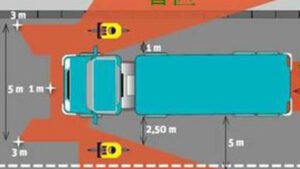
- Blind Spot Monitoring (BSM): Detects vehicles in the driver’s blind spots and issues alerts.
- Forward Collision Warning (FCW): Warns drivers of potential collisions with vehicles or obstacles ahead.
- Parking Assistance: Uses sensors and cameras to assist drivers in parking safely.
- Rear Cross-Traffic Alert (RCTA): Warns drivers of approaching traffic while reversing.
- Driver Monitoring Systems: Detects signs of driver fatigue or distraction and issues alerts.
Benefits of Active Safety Systems
1. Accident Prevention
The primary goal of active safety systems is to prevent accidents by enhancing driver awareness and vehicle response. According to the NHTSA, vehicles equipped with active safety systems experience significantly fewer collisions.
2. Enhanced Driver Confidence
Active safety features provide drivers with additional support, boosting confidence, particularly in challenging driving conditions such as heavy traffic or poor weather.
3. Reduced Insurance Costs
Many insurance companies offer discounts for vehicles equipped with advanced safety technologies, as they lower the risk of accidents and claims.
4. Foundation for Autonomous Driving
Active safety systems are integral to the development of autonomous vehicles, enabling them to navigate safely and efficiently.
5. Increased Road Safety
By reducing human error—a leading cause of road accidents—active safety systems contribute to safer roads for all users.
Applications of Active Safety Systems
1. Passenger Vehicles
Active safety systems are standard in many modern cars, providing drivers with features like adaptive cruise control and lane-keeping assistance.
2. Commercial Fleets
Fleet operators use active safety technologies to reduce accidents, protect cargo, and ensure driver compliance with safety regulations.
3. Public Transport
Buses and trains equipped with collision avoidance and lane monitoring systems enhance passenger and pedestrian safety.
4. Emergency Vehicles
Ambulances, fire trucks, and police vehicles use active safety systems to navigate quickly and safely through traffic.
5. Autonomous Vehicles
Active safety technologies form the backbone of self-driving systems, enabling vehicles to operate safely without human intervention.
Technologies Powering Active Safety Systems
1. Radar and Lidar
These technologies provide precise distance and object detection, enabling accurate hazard assessment.
2. Cameras
High-resolution cameras capture visual data for features like lane detection, sign recognition, and object tracking.
3. Artificial Intelligence (AI)
AI algorithms process data from sensors and cameras to predict and respond to potential hazards.
4. V2X Communication
Vehicle-to-everything (V2X) communication enables vehicles to share information with each other and infrastructure, improving situational awareness.
Challenges and Limitations
Despite their benefits, active safety systems face challenges such as:
- High Costs: Advanced safety features can increase vehicle prices, limiting their accessibility.
- Weather Sensitivity: Adverse weather conditions can affect the accuracy of sensors and cameras.
- Driver Overreliance: Drivers may become overly dependent on safety features, leading to complacency.
- Data Privacy: Active safety systems collect and store large amounts of data, raising concerns about privacy and security.
Future Trends in Active Safety Systems
1. Full Autonomy
Active safety systems will continue to evolve into fully autonomous driving technologies, eliminating the need for human intervention.
2. Enhanced AI Capabilities
Advances in AI will enable systems to better predict and respond to complex driving scenarios, improving overall safety.
3. Broader Adoption
As manufacturing costs decrease, active safety systems will become standard in entry-level and budget vehicles.
4. Integration with Smart Cities
V2X communication will allow active safety systems to interact seamlessly with smart city infrastructure, enhancing traffic management.
5. Personalized Safety Features
Future systems will adapt to individual driving habits, providing customized safety enhancements.
Conclusion
Active safety systems are transforming the automotive industry by prioritizing accident prevention over mitigation. With continuous advancements in technology, these systems are becoming smarter, more reliable, and more accessible. By integrating active safety features, vehicles not only enhance driver confidence and road safety but also pave the way for a future dominated by autonomous driving. Explore the latest developments in active safety systems to experience the benefits of these groundbreaking technologies.