
Introduction to Car Cameras
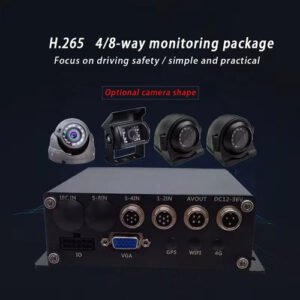
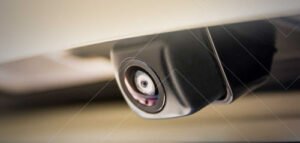
A car camera, often referred to as a dashcam, has become a crucial accessory for drivers worldwide. These small devices can record everything happening on the road, providing valuable footage for safety, legal, and entertainment purposes. With advancements in technology, modern car cameras are packed with features like high-definition recording, night vision, and GPS tracking, making them indispensable for both personal and professional drivers.
Why You Need a Car Camera
Importance of Safety and Security
Car cameras act as an extra pair of eyes on the road, capturing every detail during your drive. They help prevent fraud by providing indisputable evidence in accidents or disputes. Additionally, dashcams are instrumental in curbing road rage incidents, theft, and vandalism.
Legal Benefits of Having a Dashcam
In many cases, dashcam footage has become admissible evidence in court. It offers an unbiased account of incidents, helping drivers avoid unnecessary fines or legal complications.
Monitoring Teenage Drivers
Parents of teenage drivers often use dashcams to monitor driving behavior. By reviewing footage, parents can coach their teens on safe driving practices and identify areas of improvement.
Types of Car Cameras
Front-Facing Cameras
These are the most basic type of dashcams, designed to record the road ahead. They are ideal for drivers primarily concerned with capturing their journey or potential accidents in front of the vehicle.
Dual-Lens Dashcams
Dual-lens cameras capture both the road ahead and the vehicle’s interior. This feature is particularly useful for rideshare drivers who need to monitor passenger activity.
Rearview Dashcams
Installed at the back of the vehicle, rearview dashcams ensure comprehensive coverage, recording incidents that might occur behind the car.
360-Degree Car Cameras
Offering the ultimate coverage, 360-degree cameras capture footage from all angles, making them perfect for ensuring no blind spots during recording.
Key Features to Look for in a Car Camera
Video Resolution and Frame Rate
Choose a dashcam with at least 1080p resolution for clear footage. A higher frame rate, like 60fps, ensures smooth playback, making it easier to analyze recorded incidents.
Night Vision Capability
For night-time driving, cameras with infrared or low-light sensors provide clear footage, ensuring visibility even in dimly lit conditions.
GPS Integration
A GPS-enabled dashcam not only records video but also tracks speed and location. This feature is invaluable for fleet drivers or individuals requiring detailed journey logs.
Wide-Angle Lens
A wider field of view (120° to 170°) ensures more coverage, capturing peripheral details that could be crucial in an accident.
Cloud Storage and Wi-Fi Connectivity
Modern dashcams with cloud storage options allow users to save footage remotely. Wi-Fi-enabled models make it easy to transfer recordings to a smartphone or computer.
How to Install and Use a Car Camera
Installation Process Step-by-Step
- Choose a Suitable Location: Install the dashcam on the windshield for an unobstructed view.
- Mount the Device: Use a suction cup or adhesive mount for a secure hold.
- Connect the Power Supply: Plug the camera into the car’s cigarette lighter or hardwire it to the vehicle’s electrical system.
- Adjust the Camera Angle: Ensure it covers the road adequately without obstructions.
- Test the Device: Check recording quality and features before hitting the road.
Maintenance Tips for Longevity
- Regularly clean the camera lens.
- Update firmware for optimal performance.
- Use high-quality SD cards to avoid storage issues.
Benefits of Using a Car Camera
Reducing Insurance Premiums
Many insurance companies offer discounts to drivers who use dashcams, as they reduce fraudulent claims and improve safety accountability.
Capturing Accident Evidence
In the event of an accident, dashcam footage serves as reliable evidence to clarify responsibility, potentially saving time and money during legal proceedings.
Enhancing Road Safety Awareness
Reviewing dashcam footage can help drivers identify and correct unsafe habits, promoting safer driving practices over time.
Top Car Camera Brands in 2024
Garmin
Known for its high-quality navigation products, Garmin dashcams offer robust features, including voice control and advanced driver-assistance systems (ADAS).
Thinkware
Thinkware cameras are celebrated for their excellent video quality and unique features like lane departure warnings and front collision alerts.
Nextbase
With a reputation for innovation, Nextbase offers modular dashcams with Bluetooth connectivity, Alexa integration, and emergency SOS functions.
Vantrue
Vantrue dashcams are popular for their reliability and affordability, featuring 4K recording and wide-angle lenses.
Car Cameras and the Law
Legal Considerations When Using Dashcams
While dashcams are legal in most countries, their placement and usage are subject to specific regulations. For example, some regions prohibit mounting devices in a way that obstructs the driver’s view.
Privacy Concerns and How to Address Them
Dashcams should not violate the privacy of passengers or pedestrians. It’s essential to inform passengers if their actions are being recorded.
FAQs About Car Cameras
What Is the Lifespan of a Car Camera?
A high-quality dashcam can last 3–5 years with proper care and maintenance.
Can a Dashcam Record When the Car Is Off?
Yes, many dashcams have parking mode, which allows them to record when the vehicle is parked, detecting motion or impacts.
How Do I Choose the Right Dashcam for My Needs?
Consider your priorities, such as video quality, storage capacity, and additional features like GPS or night vision, before making a purchase.
Are Dashcams Legal in All Countries?
While dashcams are widely accepted, some countries have restrictions regarding their use due to privacy laws.
Can a Dashcam Help in Hit-and-Run Cases?
Absolutely. Dashcams can capture license plates or other identifying details of fleeing vehicles, aiding in investigations.
How Much Storage Does a Dashcam Require?
Most dashcams support SD cards ranging from 32GB to 256GB. The storage required depends on video resolution and recording duration.
Conclusion
Car cameras have revolutionized the way drivers ensure safety, accountability, and convenience on the road. With a wide range of features and options available, selecting the right dashcam requires careful consideration of your specific needs and preferences. Whether for personal use or as part of a fleet, a reliable car camera is an investment in peace of mind and security.