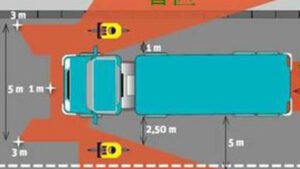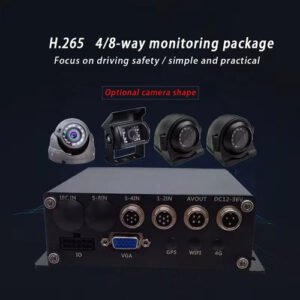
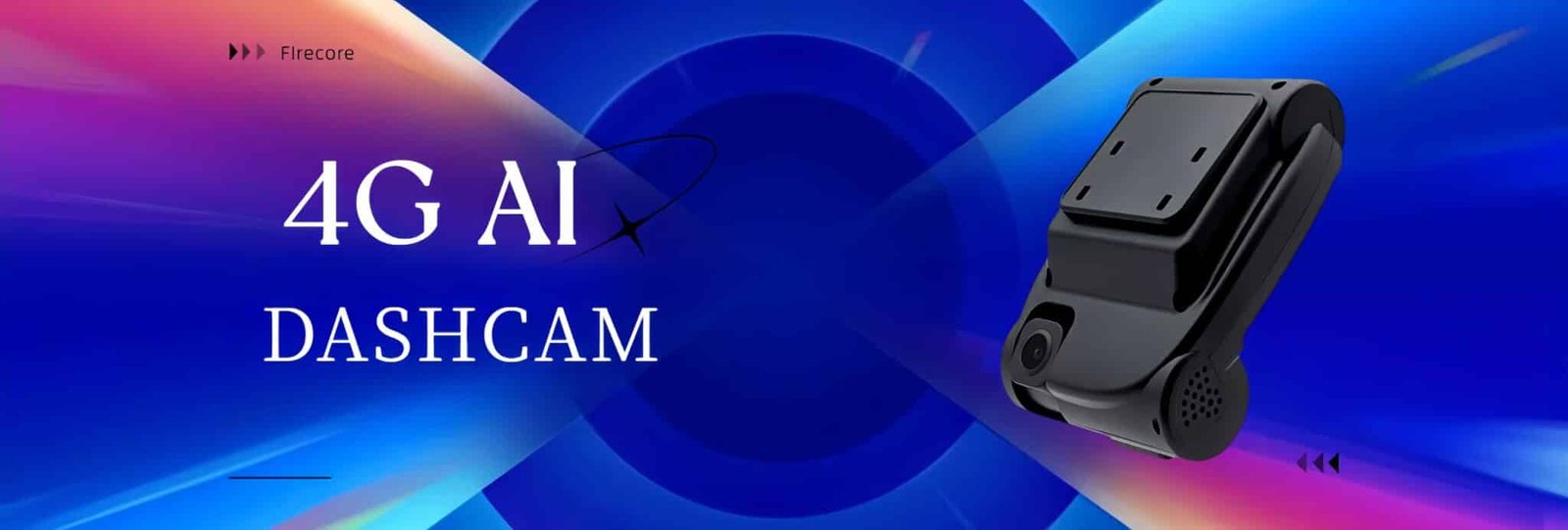
In today’s fast-paced world, real-time monitoring is crucial for ensuring safety, improving efficiency, and enhancing accountability. 4G live dashcams have emerged as a cutting-edge solution for fleet operators, offering real-time video streaming, GPS tracking, and advanced analytics. This article delves into the features, applications, benefits, and future trends of 4G live dashcams, highlighting their transformative impact on fleet management.
What is a 4G Live Dashcam?
A 4G live dashcam is a smart video recording device that uses 4G connectivity to transmit live video footage and data in real-time. Unlike traditional dashcams that store recordings locally, 4G live dashcams provide immediate access to video feeds and location data via a cloud-based platform or mobile app. These dashcams are widely used in fleet management to monitor driver behavior, ensure compliance, and enhance operational efficiency.
Key Features of 4G Live Dashcams
Modern 4G live dashcams are equipped with advanced features tailored to meet the needs of various industries:
- Real-Time Video Streaming: Live video feeds are accessible via mobile apps or web platforms.
- Dual-Lens Recording: Records footage from both the road ahead and the vehicle interior.
- GPS Integration: Tracks vehicle location, speed, and routes in real time.
- AI-Powered Analytics: Detects risky behaviors such as distracted driving, drowsiness, and harsh braking.
- Event-Based Recording: Automatically saves footage of critical events like collisions or sudden stops.
- Cloud Storage: Securely stores video footage in the cloud for easy retrieval and analysis.
- Night Vision: Infrared LEDs enable clear video recording in low-light conditions.
- Two-Way Audio: Allows real-time communication between drivers and fleet managers.
How 4G Live Dashcams Work
The operation of 4G live dashcams involves several interconnected components:
- Video Capture: High-definition cameras record video footage of the road and the vehicle interior.
- Data Transmission: The 4G network transmits video and analytics data to a cloud-based platform.
- Cloud Storage: Video footage is stored securely in the cloud, allowing fleet managers to access it from anywhere.
- Remote Monitoring: Fleet operators can view live feeds and analytics via mobile apps or web dashboards.
- Event Alerts: The system sends real-time notifications for events such as collisions, speeding, or lane departure.
Benefits of 4G Live Dashcams
1. Real-Time Monitoring
4G live dashcams provide fleet managers with instant access to video feeds and location data, enabling proactive responses to incidents.
2. Enhanced Driver Safety
By monitoring driver behavior and providing real-time feedback, these dashcams help reduce risky actions and prevent accidents.
3. Evidence Collection
In the event of an accident, video footage serves as indisputable evidence for insurance claims and legal proceedings.
4. Operational Efficiency
GPS tracking and route optimization features help reduce fuel consumption, improve delivery times, and enhance overall efficiency.
5. Reduced Insurance Costs
Many insurance providers offer discounts for fleets equipped with advanced dashcam systems, lowering operational expenses.
6. Scalable Solutions
4G live dashcams can be easily integrated into existing fleet management systems, making them scalable and adaptable to business needs.
Applications of 4G Live Dashcams
4G live dashcams are versatile tools used in a wide range of industries:
1. Logistics and Transportation
Monitor cargo safety, track delivery routes, and ensure driver compliance in logistics fleets.
2. Public Transport
Enhance passenger safety and monitor driver behavior in buses, taxis, and other public transport vehicles.
3. Emergency Services
Ambulances, fire trucks, and police vehicles use dashcams to document incidents and improve response times.
4. Construction and Heavy Equipment
Dashcams help monitor operator performance, prevent accidents, and ensure compliance with safety protocols in construction fleets.
5. Ride-Sharing and Delivery Services
Companies like Uber and DoorDash use dashcams to ensure driver and passenger safety and resolve disputes effectively.
Future Trends in 4G Live Dashcams
The evolution of 4G live dashcams is driven by technological advancements and the growing demand for smarter fleet management:
1. Integration with 5G
As 5G networks become more widespread, dashcams will benefit from faster data transmission and lower latency.
2. Advanced AI Capabilities
Future dashcams will feature AI algorithms capable of predicting and preventing accidents through advanced analytics.
3. Wider Adoption of Cloud-Based Solutions
Cloud-connected dashcams will provide seamless storage, analysis, and remote access capabilities.
4. Enhanced Video Quality
Ultra-high-definition video recording will provide even greater clarity and detail, enhancing evidence collection and monitoring.
5. Eco-Friendly Designs
Dashcams with energy-efficient and solar-powered designs will support sustainable fleet operations.
Challenges and Solutions
Despite their advantages, 4G live dashcams face several challenges:
1. High Initial Costs
Advanced dashcams can be expensive, but their long-term benefits often justify the investment.
2. Data Privacy and Security
Ensuring compliance with data protection regulations is critical. Encryption and secure storage solutions address these concerns.
3. Network Reliability
Dashcams relying on 4G connectivity need stable networks. Hybrid systems with local storage options offer a solution.
Conclusion
4G live dashcams are revolutionizing fleet management by combining real-time video monitoring with advanced analytics and telematics integration. These systems enhance safety, improve efficiency, and provide actionable insights, making them indispensable for modern fleets. As technology continues to evolve, 4G live dashcams will play an even more integral role in shaping the future of transportation and logistics. Explore the latest 4G live dashcams to unlock the full potential of real-time fleet monitoring.